JMP LOW PH MICROBIOLOGY 3.5
Attachment


I am currently working on producing a homemade microbial biopesticide, primarily using potato starch as the substrate. However, I've encountered repeated failures and am seeking expert advice to improve the efficiency and efficacy of the final product.
I. Core Issues: Low pH and Low Efficacy
1. Severe pH Drop and Contamination
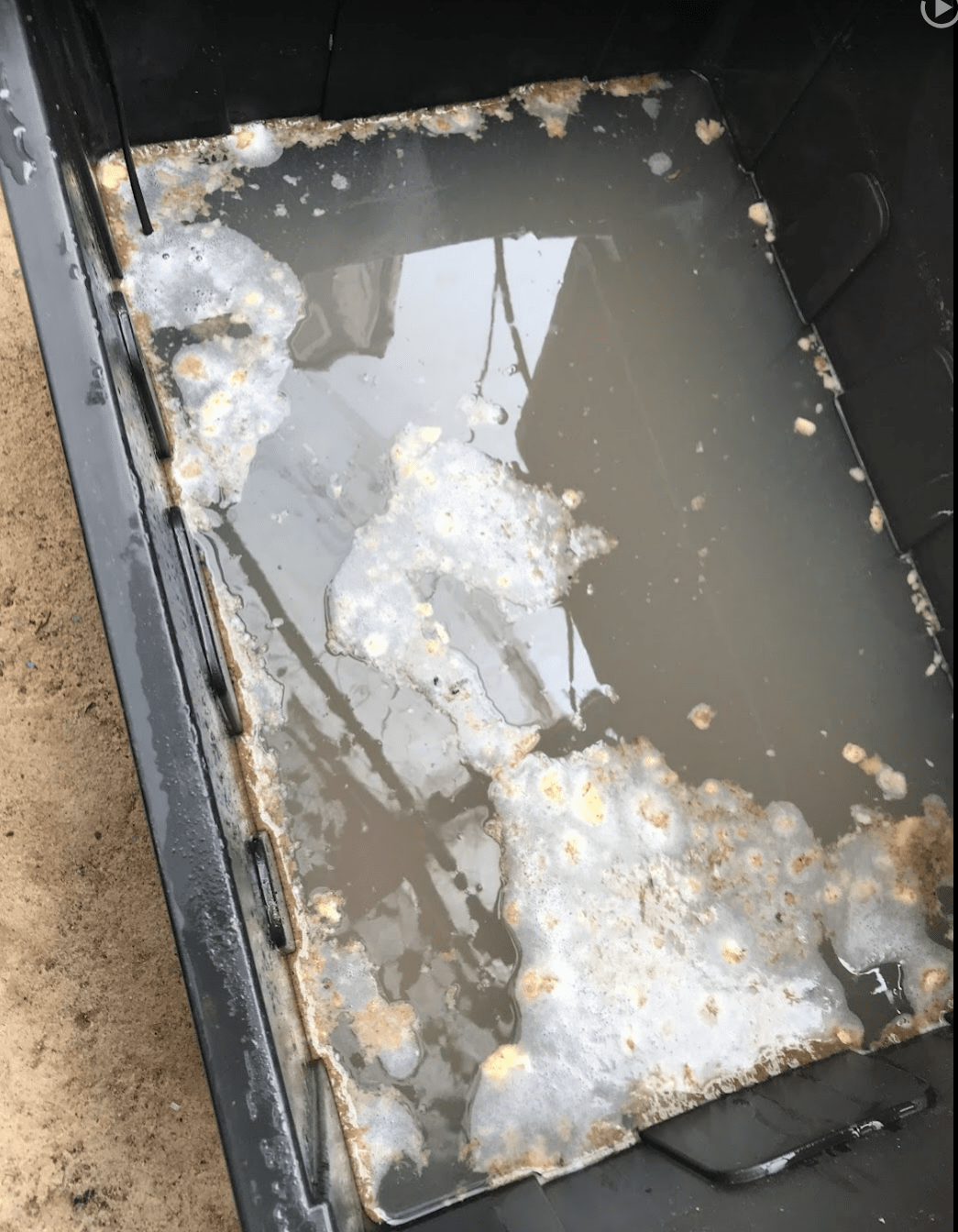
Observation: After 10 failed fermentation attempts, the pH consistently drops deeply to 3.5. Although the process generates excessive bubbling (indicating strong activity), the insecticidal efficacy remains very low.
Hypothesis: The fermentation vessel is likely contaminated with sour bacteria (Lactobacillus) from previous batches.
Questions:
How can I control the pH to prevent it from dropping below the target range (6.0−7.0) and completely eliminate acid-producing contaminants?
If the final product's pH is excessively acidic (3.5), is the result considered compromised (i.e., failing to produce the desired insecticidal active compounds)?
2. Ingredient Quality
Observation: I tried fermenting with industrial potato starch and stagnant rainwater, but the process was very slow (no bubbling after 40 hours) and yielded low efficacy.
Next Step: I plan to use fresh, homemade potato starch/flour.
II. Nutrition and Enzyme Optimization
1. Nutrition Principle and Active Compounds
Understanding: I know that microorganisms produce inducible enzymes based on their food source. For insect control, I need Protease and Chitinase enzymes (which degrade the insect's Chitin shell and protein).
Problem: If the microbes are only fed starch (Carbon), they will mainly produce Amylase.
Questions:
How can I optimize the microbes to produce Protease/Chitinase?
Should I supplement the substrate with bean flour (a source of Protein/Nitrogen) as a precursor for Protease and Chitinase production?
2. Substrate Quantity and EC Impact
Question: What is the effect of adding excessive amounts of potato or potato starch on the fermentation process and the final product quality? What EC (Electrical Conductivity) level, indicating nutrient concentration, is optimal for producing an effective biopesticide?
III. Supporting Factors and Enhancements
1. pH Control Strategy (Referencing Research)
Research Finding: I read a study suggesting maintaining the initial and final pH at 6.5 and adding KOH to raise the pH to 10 at the end.
Question: Given that different pH levels favor different microbes, is maintaining a pH of 6.5 the standard condition for most entomopathogenic (insect-killing) microbial strains?
2. Additives
Question: If I add substances like red clay to the fermentation process or the final product, could it help increase the effectiveness of the biopesticide (e.g., acting as a carrier or adjuvant for better adhesion)?