

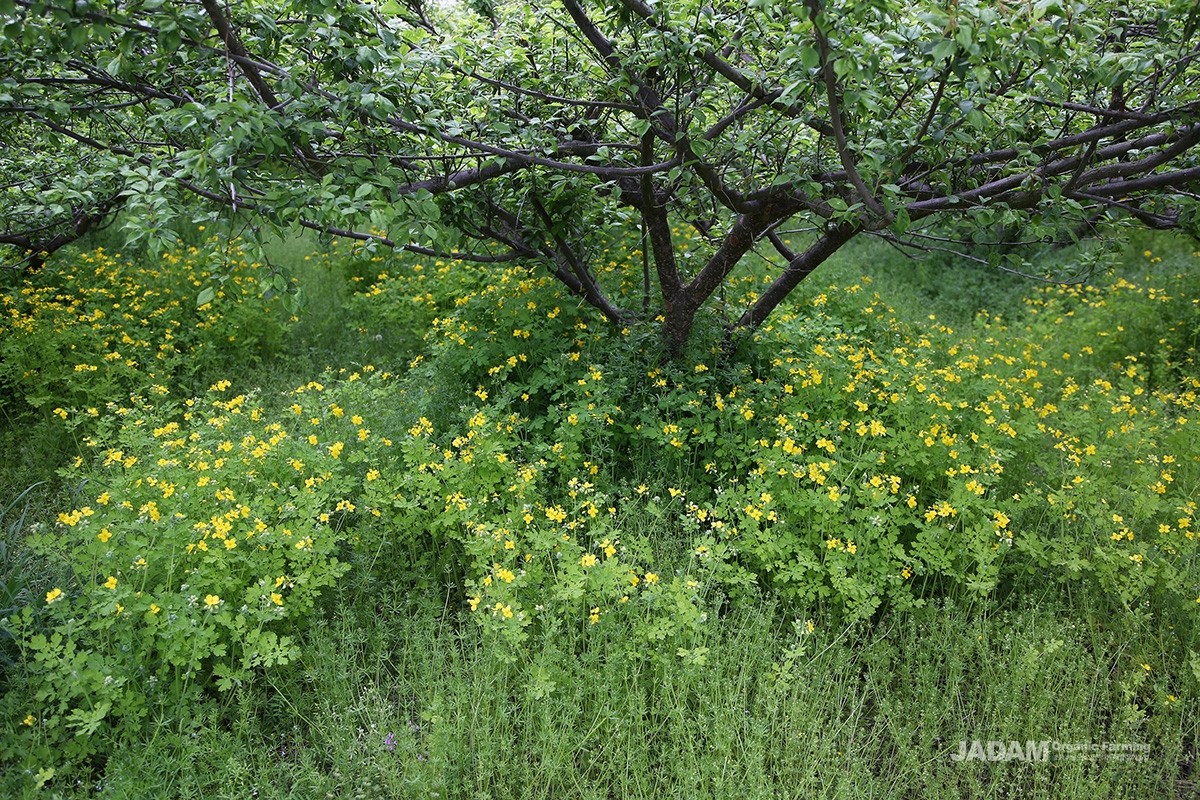
A winter annual in the poppy family, this plant commonly grows at the foot of low mountains, in valleys, along riverbanks, and in slightly shaded, damp areas such as beneath walls, roadsides, orchards, and around cultivated land. In southern regions, it typically germinates in autumn and overwinters. It blooms bright yellow flowers for an extended period from spring through summer. Once pollinated, the ovary develops into a slender, cylindrical fruit.
Asian celandine (Chelidonium majus var. asiaticum) is a winter annual belonging to the poppy family (Papaveraceae). It grows commonly at the foot of low mountains, valleys, riverbanks, and in slightly shaded, damp spaces like the base of walls, roadsides, orchards, and the edges of cultivated land. When the stem is broken, it secretes a yellow sap; because the shape and color of this fluid closely resemble infant stool, it is commonly called aegiddongpul (literally "baby poop plant") in Korean. It is also known as kkachidari (magpie legs) or jeotpul (milk herb).
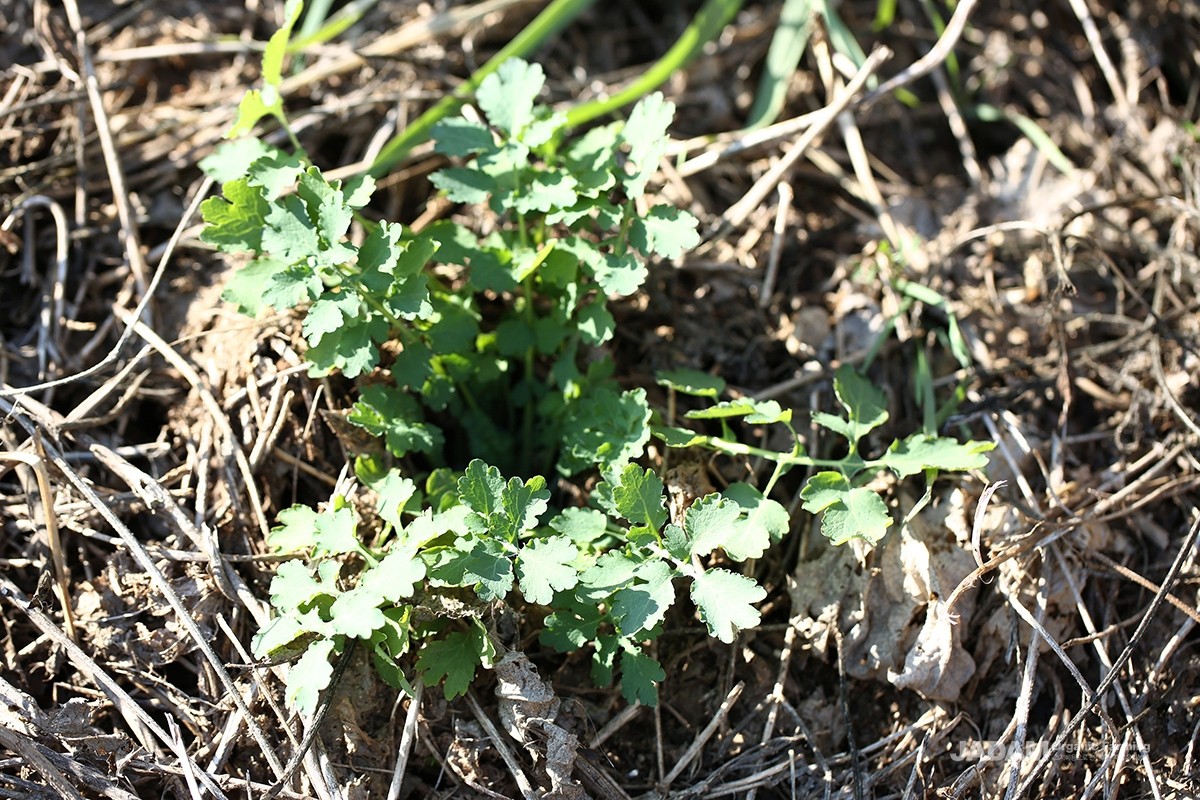
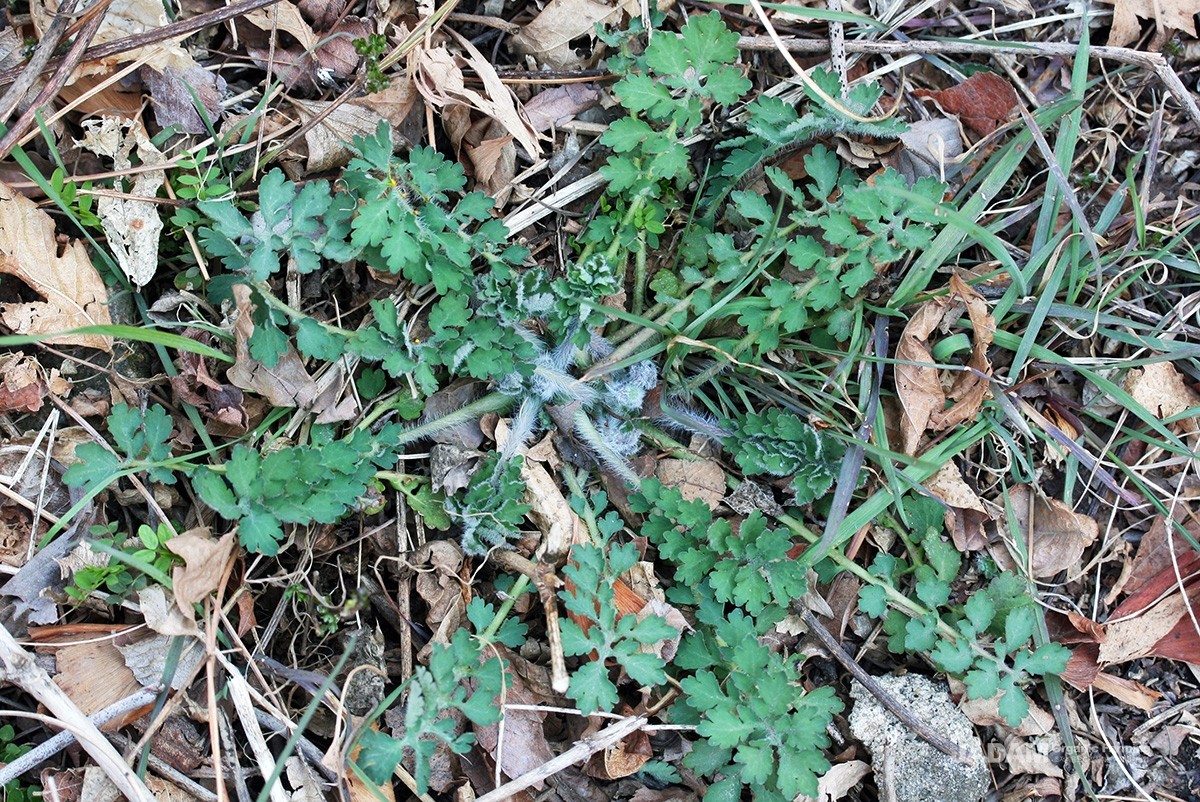
In southern regions, the seeds typically germinate in autumn, and the plant overwinters by pressing itself flat against the ground. The basal leaves (leaves growing from the base of the stem) are irregularly pinnately divided like radish leaves and exhibit a glaucous, powdery white hue. The stems are hollow, growing to a height of 30 to 80 cm. The stem leaves are divided once or twice, featuring blunt serrations along the margins, and their undersides are white. Fine white hairs are sparsely scattered across the stems, leaf veins, and flower buds. The taproot grows straight and deep into the ground, also displaying a distinct yellow coloration.
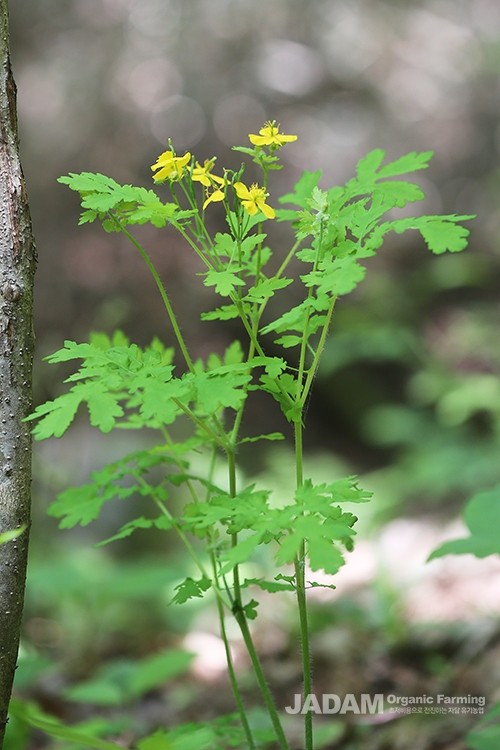
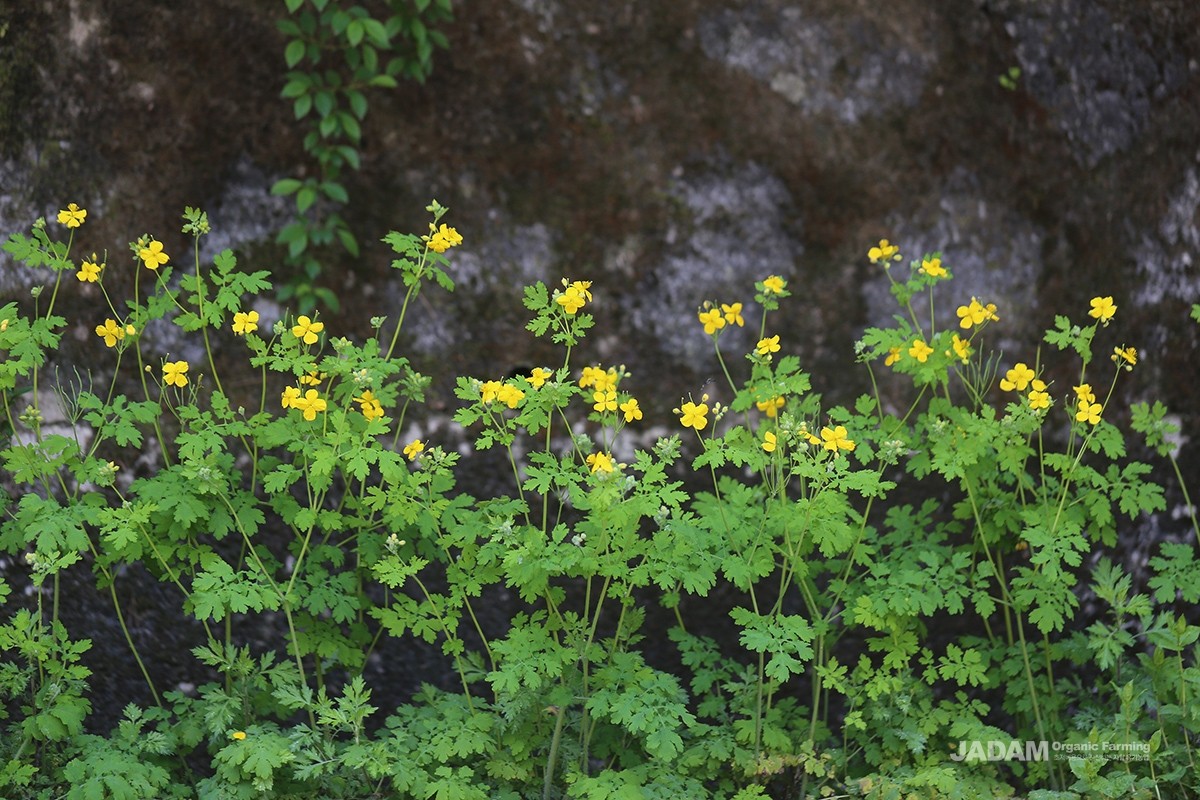
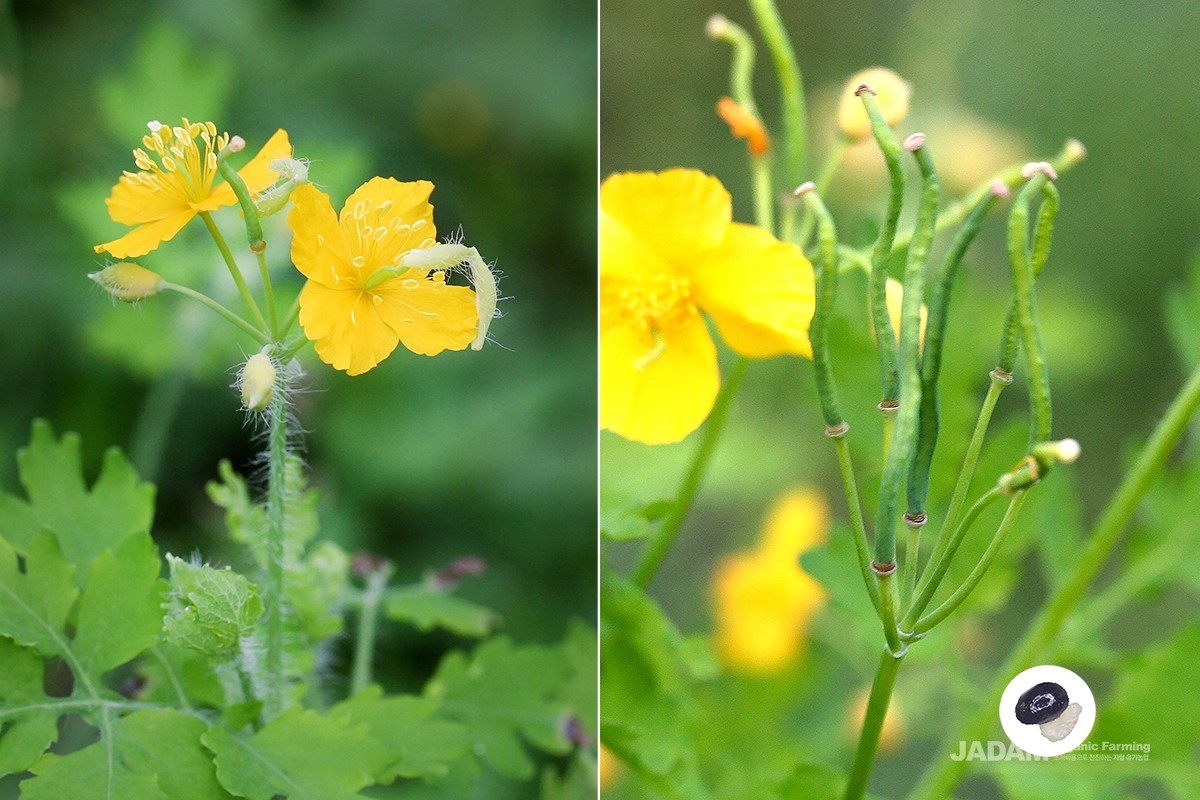
Bright yellow flowers bloom continuously from spring to summer. At the ends of flower stalks arising from the upper leaf axils, several flowers measuring about 2 cm across hang in a circular cluster. Consequently, it is common to see both flowers and fruits developing simultaneously on the same inflorescence (flower cluster). Each flower has four petals, numerous stamens, and a single pistil with a blunt tip. The two hairy sepals fall off early as soon as the flower begins to bloom.
Once pollination occurs and the yellow petals drop, the ovary grows into a slender, cylindrical fruit. The fruit is a capsule measuring about 3 to 4 cm in length. The seeds are arranged in two rows inside and turn black as they ripen. Attached to one side of each seed is a jelly-like structure called an elaiosome, which is composed of fatty acids, amino acids, and glucose. Ants carry these seeds back to their nests to use the elaiosome as food, which naturally helps disperse the plant's seeds.
Utilization and Medicinal Properties
The plant can be used as a yellow natural dye. In traditional herbal medicine, it is utilized to relieve pain and coughing, promote urination, and detoxify the body. It is applied to manage pain caused by gastritis or gastric ulcers, jaundice, edema, skin conditions such as scabies and boils, as well as snake and insect bites. It has a bitter and pungent taste, is slightly warm in nature, and contains toxic properties.
Control Methods
Since it does not grow very tall and naturally withers away after summer, it does not pose a major weed management problem in orchards. It can even be left around cultivated areas for ornamental purposes.
Origin of Name and Similar Species
The plant is named aegiddongpul because the yellow sap exuded when the stem is broken resembles infant stool. It differs from the forest poppy (Hylomecon japonica) and the Corean mock poppy (Hylomecon hylomeconoides), both of which secrete a reddish sap and are almost entirely hairless throughout the plant.
FAQ: Quick Fact
Q: Is Asian celandine edible, and what are its primary characteristics and medicinal benefits?
A: No, Asian celandine is a toxic plant and is not edible; however, it is highly valued in traditional medicine for relieving pain, suppressing coughs, and treating skin conditions under expert guidance, and it is easily recognized by the bright yellow sap it secretes when broken.