

Fruit tree pest
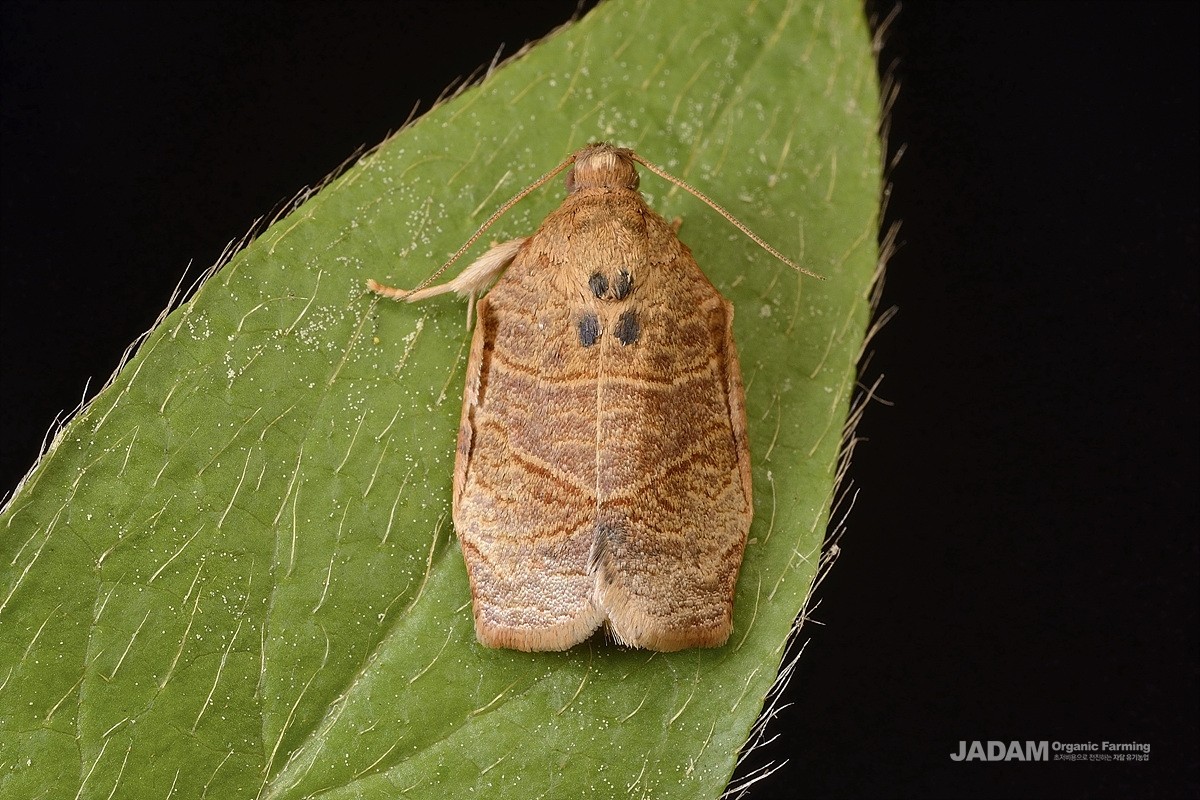
Order: Lepidoptera
Family: Tortricidae
▶ Scientific Name: Hoshinoa longicellana (Walsingham)
▶ English Name: Common apple leafroller moth
▶ Size: Wingspan of 19–24 mm for males; 23–34 mm for females
▶ Host Plants: Fruit trees such as apple and pear
▶ Distribution: Korea, Japan, China, Ussuri, Amur, etc.
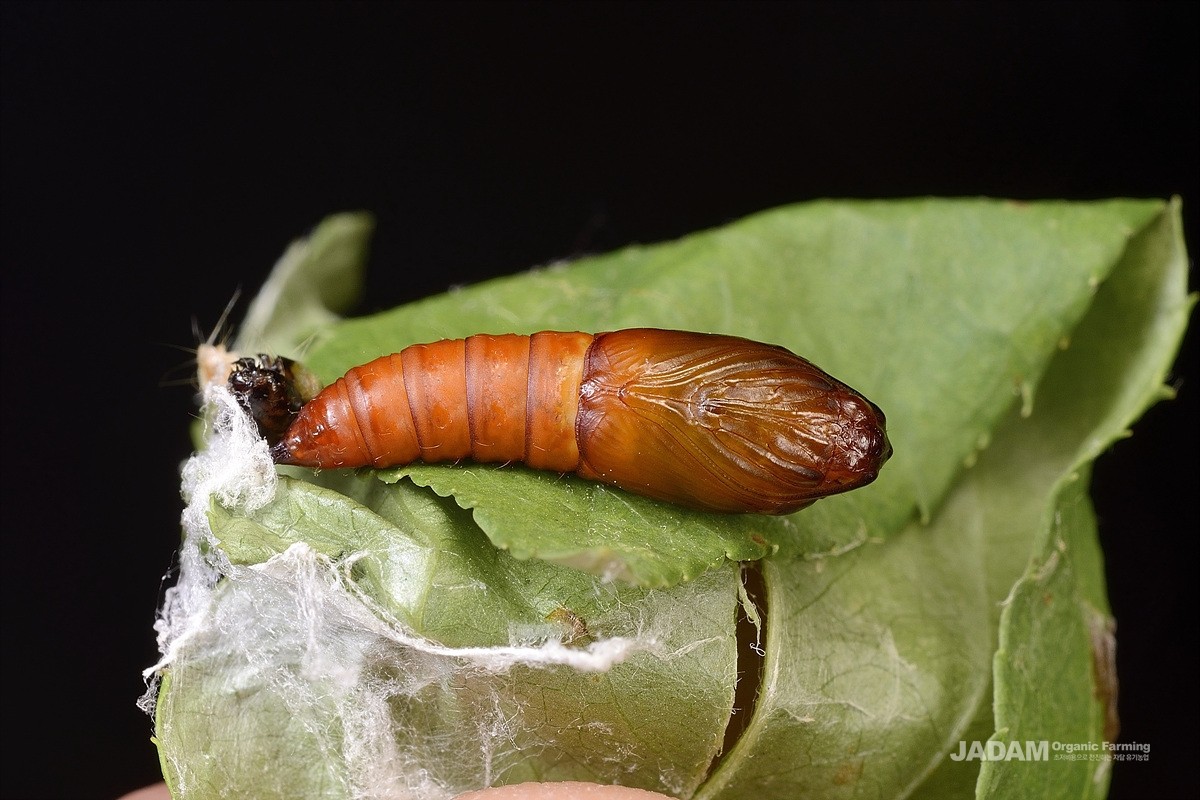
As a major pest of apple trees, this species typically occurs three times per year. It overwinters in its young larval stage, seeking shelter under tree bark or within fallen leaves. The larvae damage host plants—including fruit trees like apple and pear, as well as broad-leaved trees like oak—by rolling the leaves into protective tubes to feed.
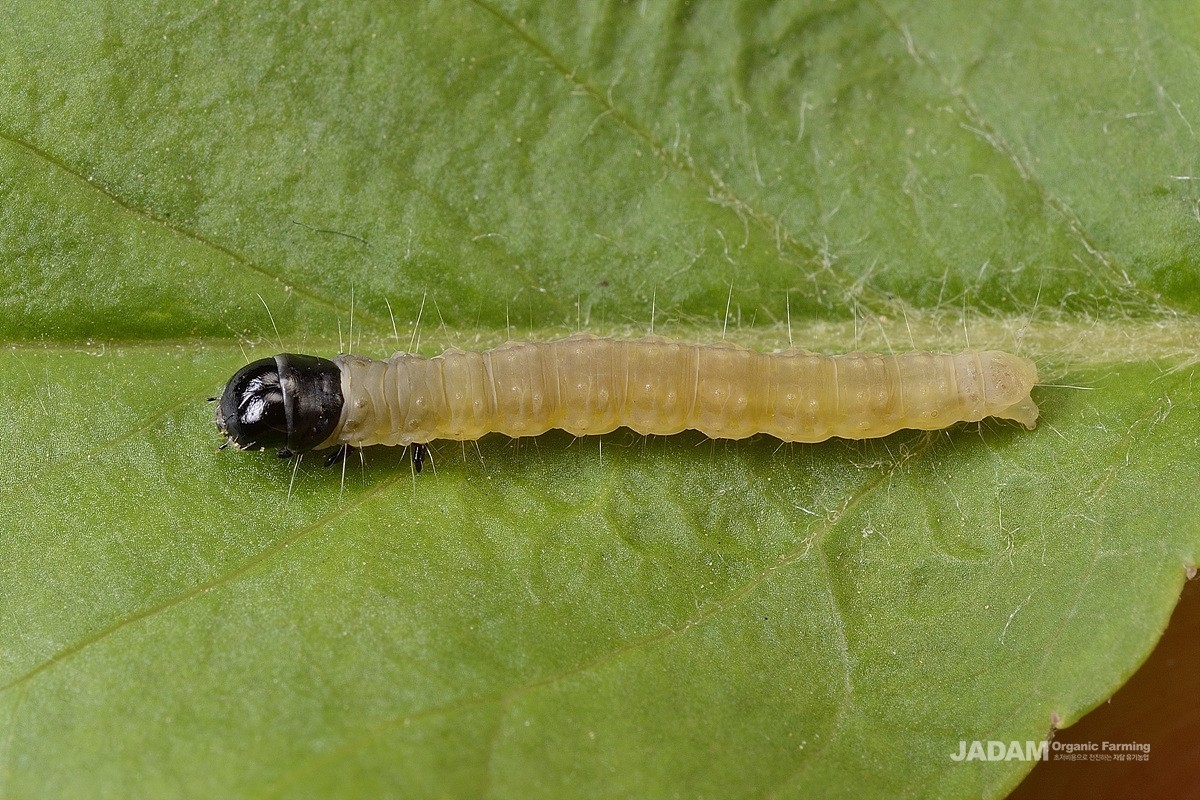
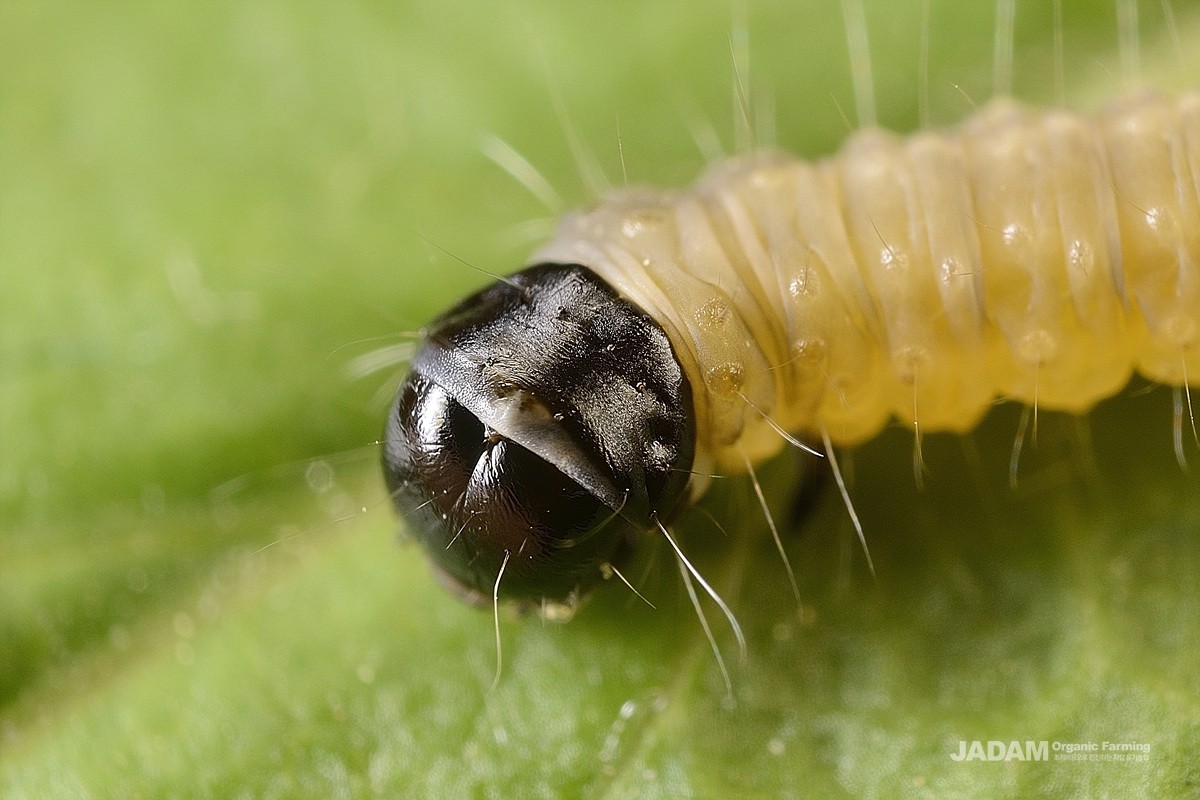
Adult moths are phototactic (attracted to light) and lay eggs in clusters along the edges of leaves. In apple orchards, this species is documented as the most prevalent leafroller moth after the Apple tortrix (Archips fuscocupreanus).
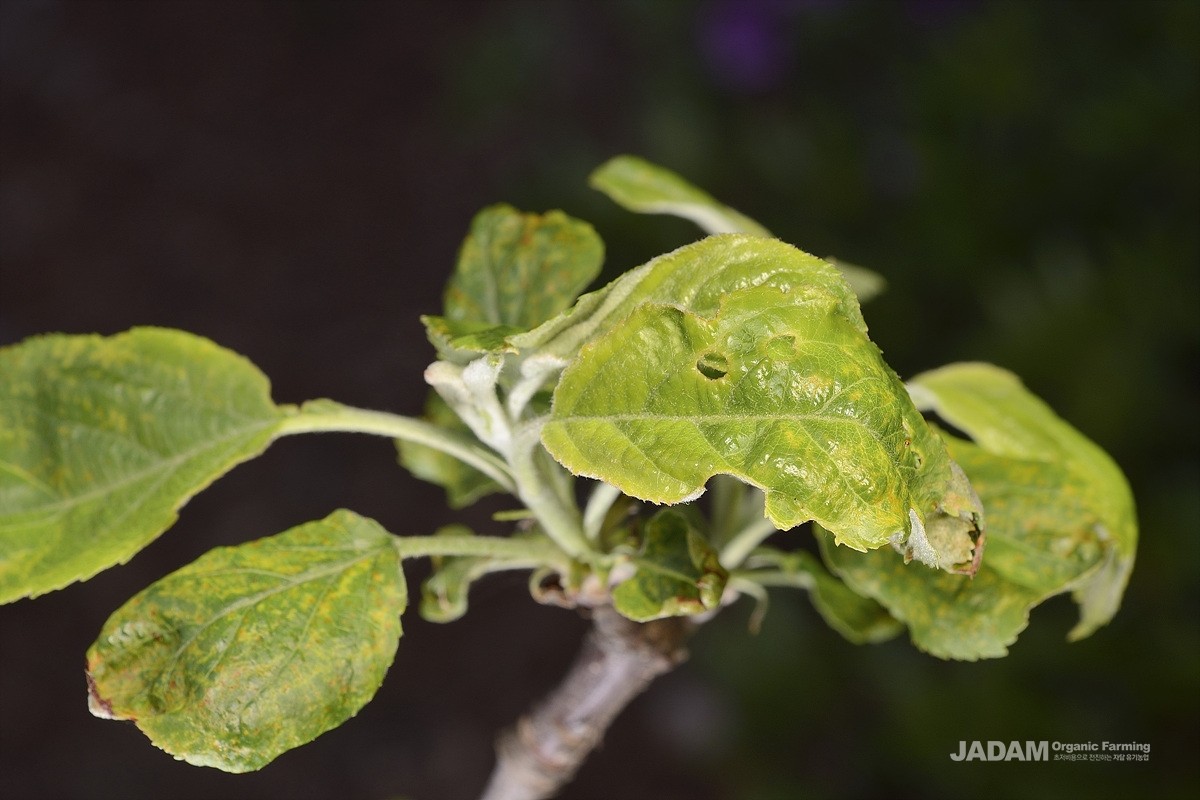
Q: What is the primary behavior and impact of the Common apple leafroller moth?
A: This moth is a significant orchard pest that produces three generations a year; its larvae roll and consume the leaves of apple and pear trees, eventually overwintering in bark or leaf litter.