


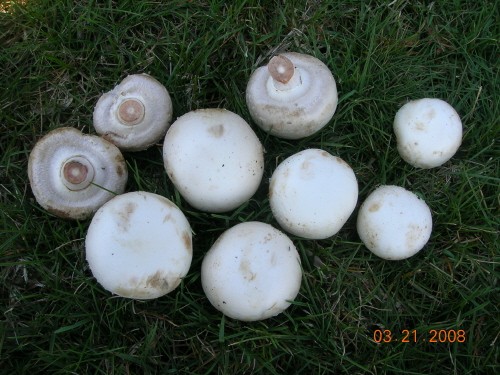
The English common name “button mushroom” refers to a young mushroom whose cap has not yet opened, derived from its size and shape. There are various theories regarding the origin of the button mushroom. According to DR. Molloch, the field mushroom known as Agaricus brunnescens (the former name of Agaricus bisporus) is the ancestor of the button mushroom. Others suggest that a pure white mushroom discovered by a farmer in 1926 is the ancestor. Regardless, it is now sold in every supermarket. In the U.S. market alone, 860 million pounds (approximately 390,000 tons) were sold in 1998. Americans are so familiar with this mushroom that when they think of “edible mushrooms,” they typically think of this one. Since 1995, it has grown into an industry worth over $700 million annually.
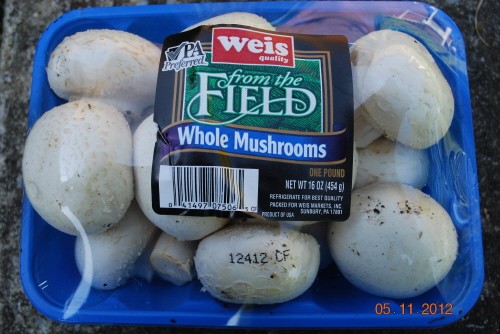
However, we must be aware that while the situation may differ in Korea, the button mushroom cultivation industry largely relies heavily on chemical insecticides. This implies that there is a significant opportunity for eco-friendly cultivation. It is said that soaking button mushrooms in 5% hydrogen peroxide and storing them at 40°F (4-5°C) can prevent browning for 10 days and inhibit bacterial growth.
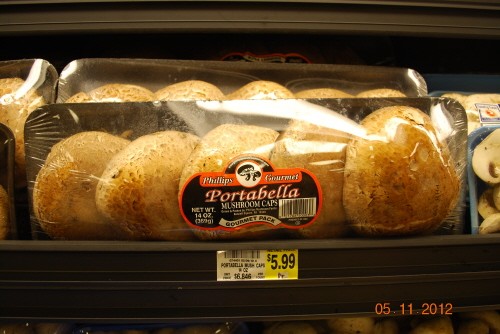
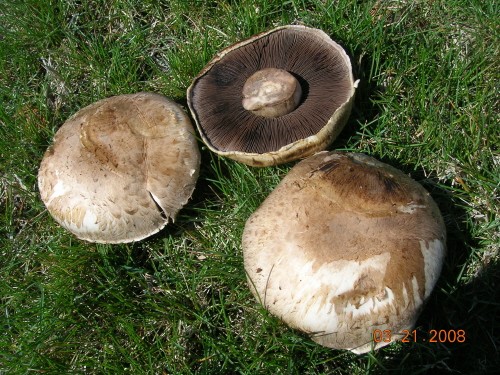
The Portobello (sometimes spelled Portobella) mushroom is a type of button mushroom. Although it is brown and much larger than the common button mushroom, its scientific name remains Agaricus bisporus. Initially, growers thought these large mushrooms were unmarketable and took them home to eat. However, due to market promotion and evolving consumer tastes, their popularity has surged. They are now sold everywhere alongside white button mushrooms in the U.S. market, often commanding a higher price.
Traditionally, in China and Korea, this mushroom was used to help nursing mothers stimulate milk production. In Traditional Chinese Medicine (TCM), button mushrooms were used to regulate physical strength and remove phlegm from the body. Believed to be beneficial for the stomach, they were also added to soups to aid digestion and stimulate appetite.
A decoction made with REishi (Ganoderma lucidum) and button mushrooms is said to treat chronic hepatitis when consumed daily for two weeks, followed by a three-day break, and then repeated. It is also used to treat measles, coughing, and hiccups (Rogers, 2011). Dried button mushrooms are used to aid in diabetes treatment, lower blood sugar, and prevent the decline of insulin secretion (Rogers, 2011).
Button mushrooms contain polysaccharides and a component called PA3DE, which has been found to inhibit Helicobacter pylori- a cause of gastric ulcers and stomach cancer - as well as Gram-positive and Gram-negative bacteria. Furthermore, they contain anti-cancer components effective against hormone-sensitive cells found in breast and prostate cancers. Mushroom producers and various cancer research institutes collaborated on a study involving 2,018 women, including those diagnosed with breast cancer and healthy women (both pre- and post menopausal). The experiment involved the consumption of fresh and dried button mushrooms. Participants consuming 10g of fresh button mushrooms saw a 64% reduction in breast cancer risk, while those who consumed fresh button mushrooms saw a 64% reduction in breast cancer risk, while those who consumed dried mushrooms showed a slightly lower reduction effect than the fresh group (Rogers, 2011).
Additionally, in experiments with athymi mice, button mushrooms were found to inhibit the proliferation and spread of tumor cells and induce tumor cell death. They also improve immune system health, helping to prevent viral and bacterial invasions by activating the immune system.
The skin of the button mushroom cap contains significant amounts of Vitamin B12, typically found in beef, eggs, salmon, and liver. Furthermore, button mushrooms and Portobellos contain antioxidant levels 12 times higher than malt. Button mushroom powder significantly reduces garlic odor, and when made into health supplements, it helps reduce bad breath and body odor. They are also known to improve stomach function, aid in bowel movements, purify the blood, and assist in the detoxification of the liver and kidneys (Rogers, 2011).
According to Park WAn-hee’s A Guide to Korean Medicinal Mushrooms, button mushrooms contain 29 types of free amino acids, ergosterol, 11 saturated fatty acids, 9 unsaturated fatty acids, Vitamin B1, B2, C, D, niacin, glycoproteins, and hemagglutinins. Additionally, they contain 1-octen-3-ol, six volatile aromatic compounds, eritadenine (a cholesterol-lowering component), anti-cancer and anti-bacterial agents, lymphocyte blastogenesis inhibitor, and plant growth hormones.
Therefore, pharmacological effects include anti-tumor activity, anti-Gram-positive and anti-Gram-negative bacterial activity, cholesterol reduction, blood pressure reduction, and inhibition of Tobacco Mosaic Virus (TMV) infection in plants. Indications include infectious hepatitis, neurasthenia, indigestion, hypertension, and insufficient lactation in nursing mothers, REgarding usage: for indigestion, boil 150g of fresh button mushrooms in water or roast them for consumption. For hypertension, boil 180g of fresh mushrooms in water and consume twice daily. For insufficient lactation, regularly consume a decoction of 150-180g of fresh mushrooms (Park & Lee, 1999).
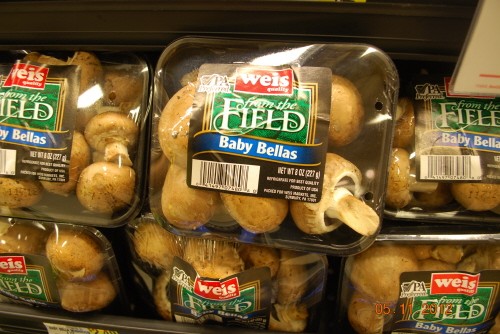
One point of caution, mentioned briefly earlier, is that while this may not apply to Korean-grown products, button mushrooms grown in the U.S. are often cultivated using significant amounts of malathion and other insecticides and fungicides (Rogers, 2011). Consequently, button mushrooms are sometimes cited as the vegetable item with the heaviest pesticide application in supermarkets (Hobbs, 1996). Furthermore, button mushrooms contain agaritine, a carcinogenic hydrazine. Rat experiments suggest that consuming 350g of raw button mushrooms daily for 50 years could pose a cancer risk. Of course, it is difficult to say if this risk applies directly to humans. Tests show that storing button mushrooms for one week reduces carcinogenic substances by 47%, and two weeks by 76%. Cooking reduces them by only 25%, meaning cooking does not significantly eliminate these substances compared to storage. However, there is no need for alarm; when consumed in moderation, they are as safe as other foods with low-risk factors, such as peanut butter or wine (Hobbs, 1996). In any case, while U.S. salad bars often serve raw button mushrooms, eating them raw is not desirable.
References
Hobbs, C. (1996). Medicinal Mushrooms: An Exploration of Tradition, Healing, & Culture (3rd ed.). Interweave Press.
Park, W., & Lee, H. (1999). A Guide to Korean Medicinal Mushrooms. Kyohaksa.
Rogers, R. (2011). The Fungal Pharmacy: The Complete Guide to Medicinal Mushrooms and Lichens of North America. North Atlantic Books.