

Fruit tree pest, Tree pest
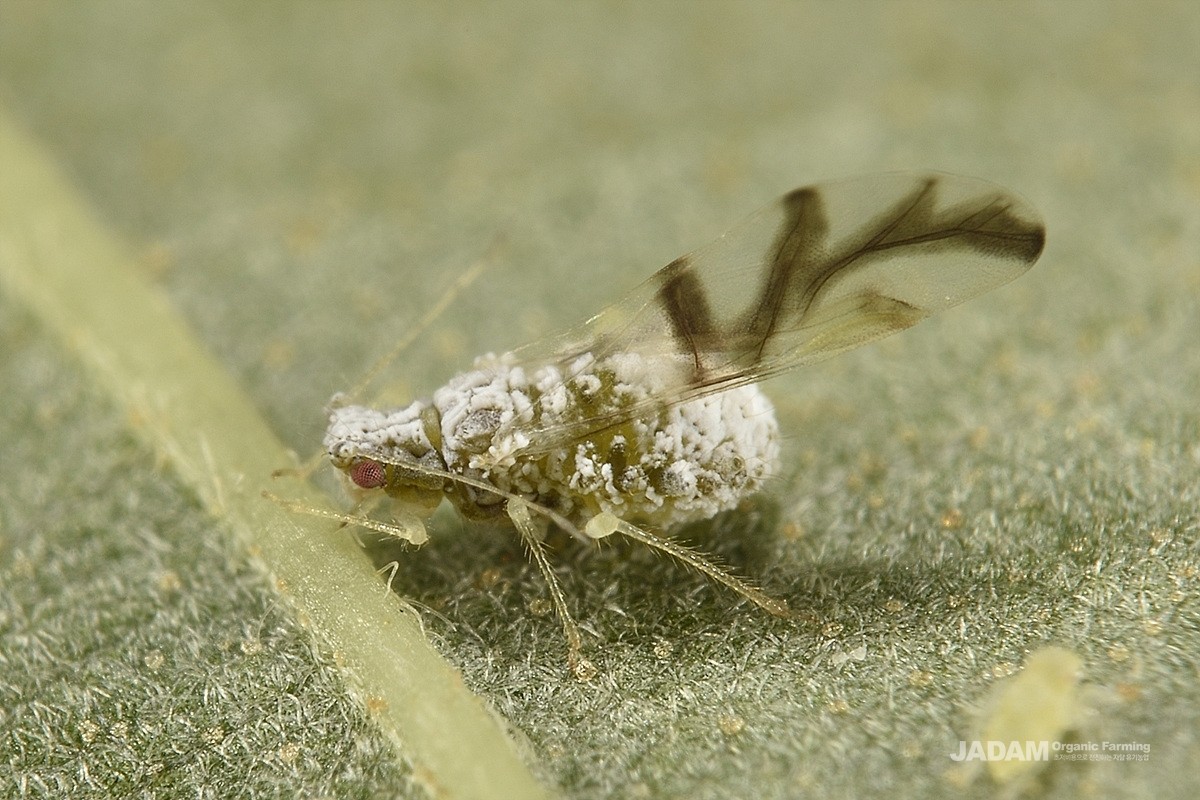
Chestnut Aphid
Order: Hemiptera
Family: Drepanosiphidae
▶Scientific name: Myzocallis kuricola (Matsumura)
▶English name: chestnut aphid
▶Body length: 2–2.4 mm
▶Host plants: chestnut (Castanea crenata),
Chinese chestnut (C. mollissima), sawtooth oak (Quercus acutissima),
and related species
▶Distribution: Korea, Japan, China
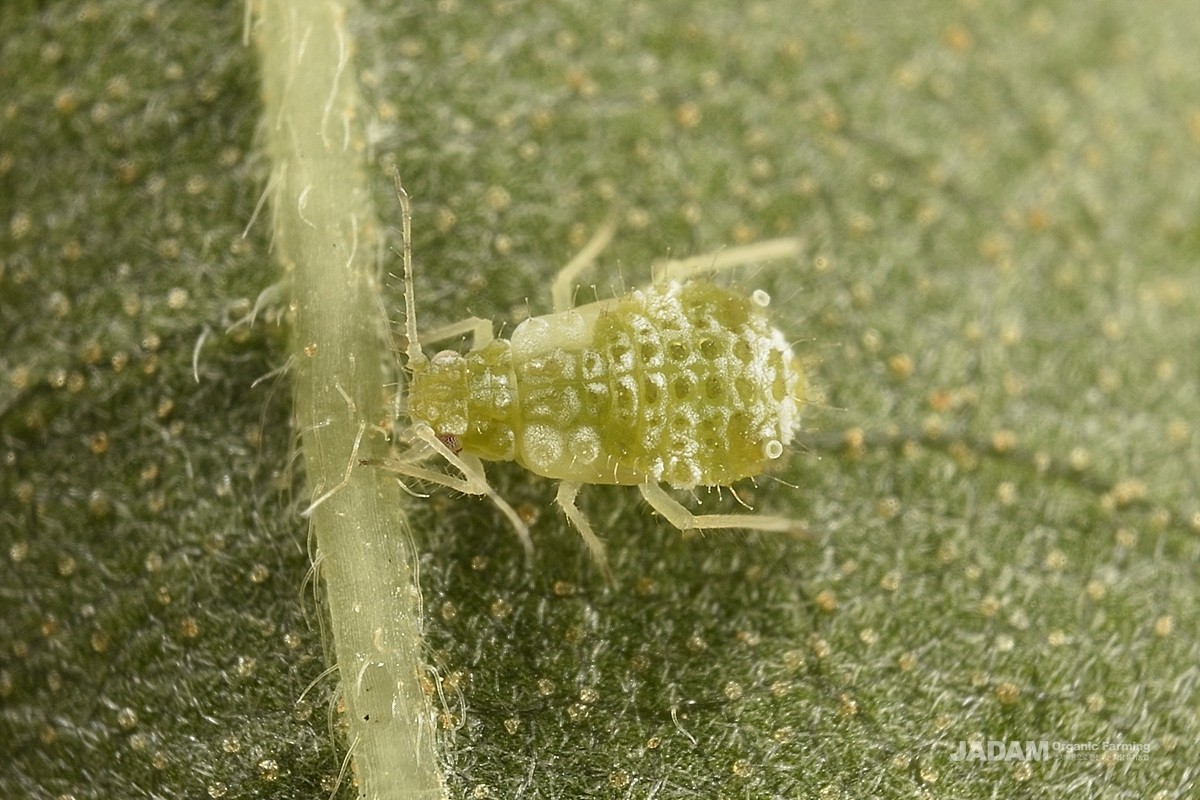
The alate (winged) adult has an oval-shaped, yellowish-brown body. Its antennae are pale yellow and much shorter than the body length. The wings are transparent but marked with dark brown bands along the veins, creating a distinctly patterned appearance. The abdomen bears dark brown spots, and between the cornicles are two large, faint grayish markings. The cornicles themselves are short but very broad at the base, wider than their length.
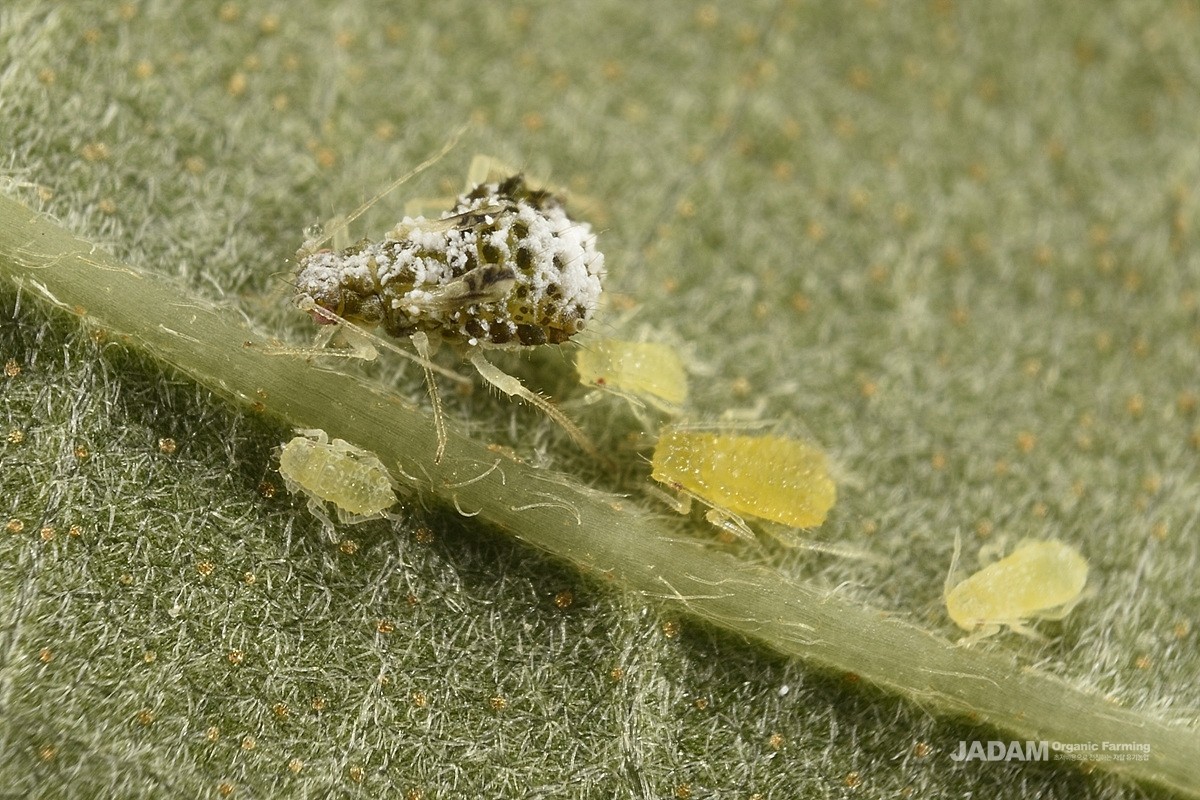
From summer to autumn, leaves often become discolored and sooty due to fungal growth associated with aphid honeydew, which typically indicates damage caused by this species. The aphids parasitize the undersides of chestnut leaves along the veins throughout the growing season. In autumn, sexual reproduction occurs, and eggs are laid near buds or in bark crevices for overwintering. When infestations are severe, premature leaf fall may occur from late summer to early winter.