

Fruit Tree Pest
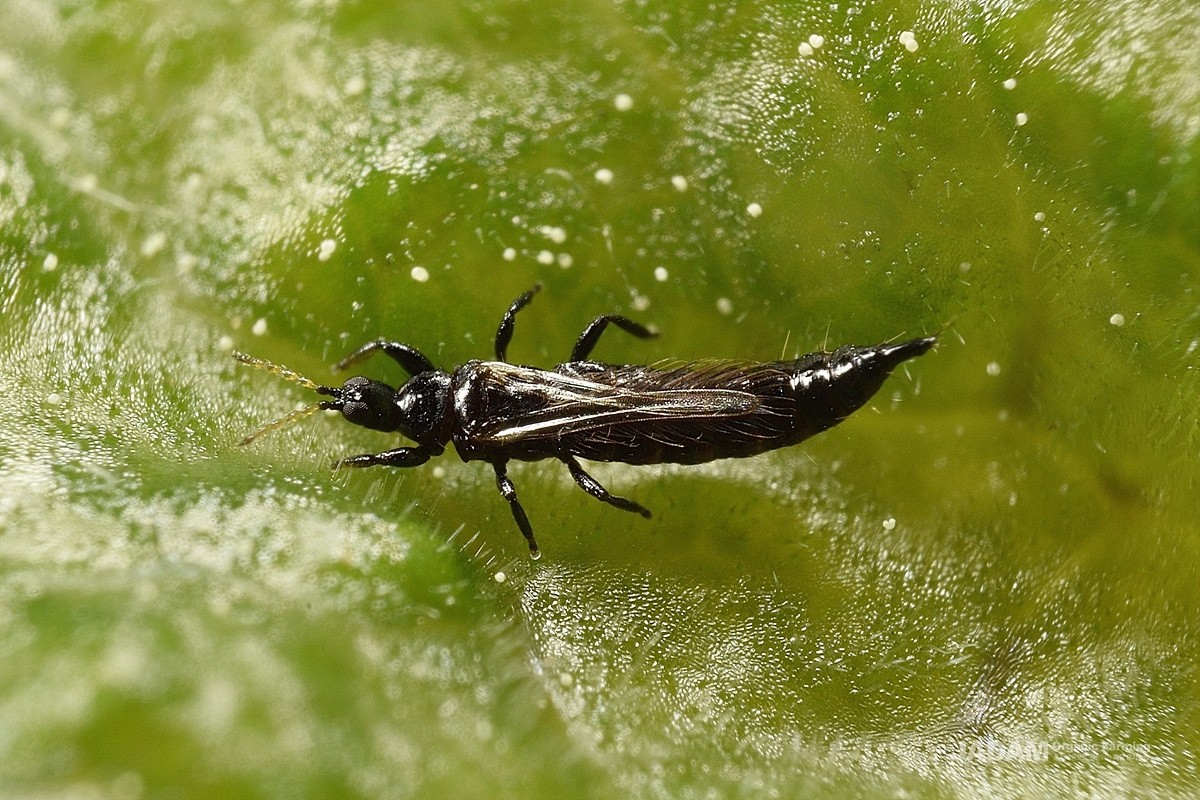
Japanese Persimmon Thrips (Ponticulothrips diospyrosi Haga et Okajima)
Order: Thysanoptera
Family: Thripidae
▶Scientific name: Ponticulothrips diospyrosi Haga et Okajima
▶Common name: None has been officially designated.
▶Body length: Adult around 2.2mm, and nymph around 1.8mm
▶Host plants: Persimmon (Diospyros kaki),
and Japanese persimmon(Diospyros lotus)
▶Distribution: Korea, Japan, and surrounding regions.
Adults are about 2.2mm long and generally dark black. Nymphs measure about 1.8mm and have pale orange-to yellow bodies with black heads, antennae, and legs.
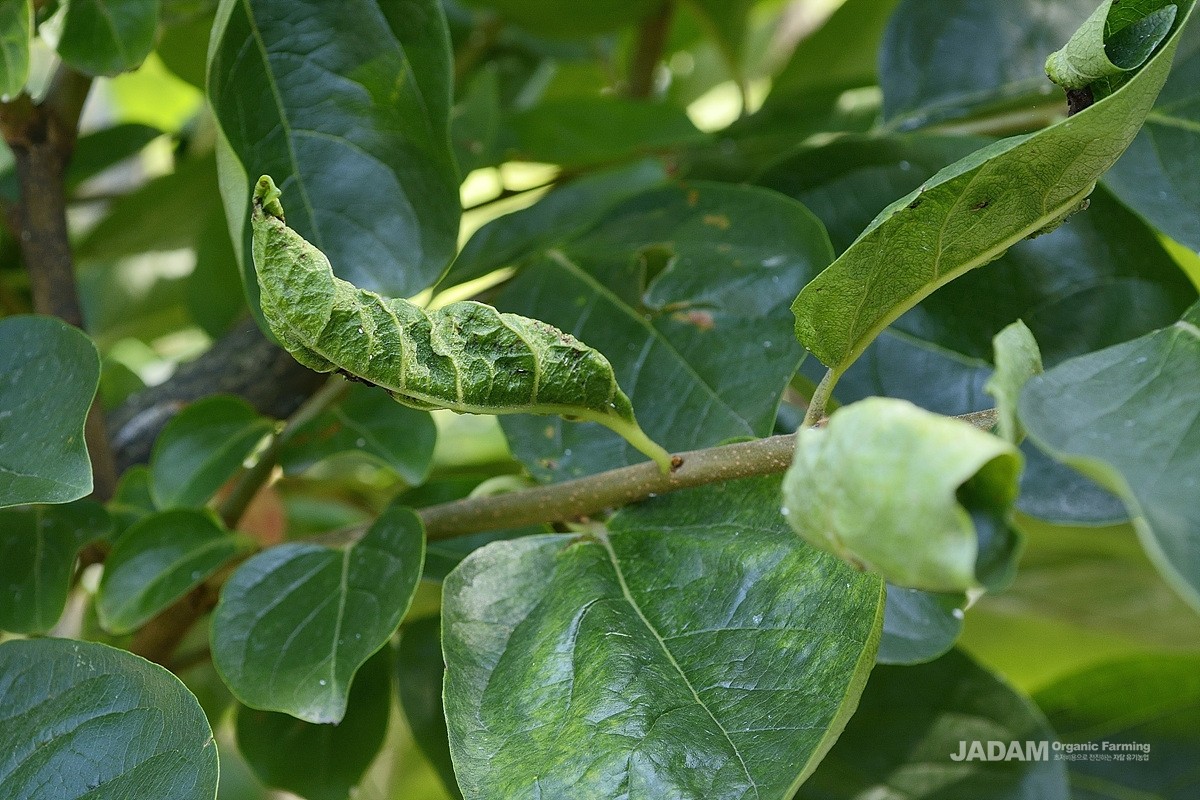
From mid-April, overwintered audit begin feeding once the persimmon leaves expand. Damaged leaves curl inward along the edges. Fruit damage appears around June, forming black or brown ring-shaped scars on the surface. As the fruit enlarges, these scars remain as circular ridges until harvest, severely reducing market value.
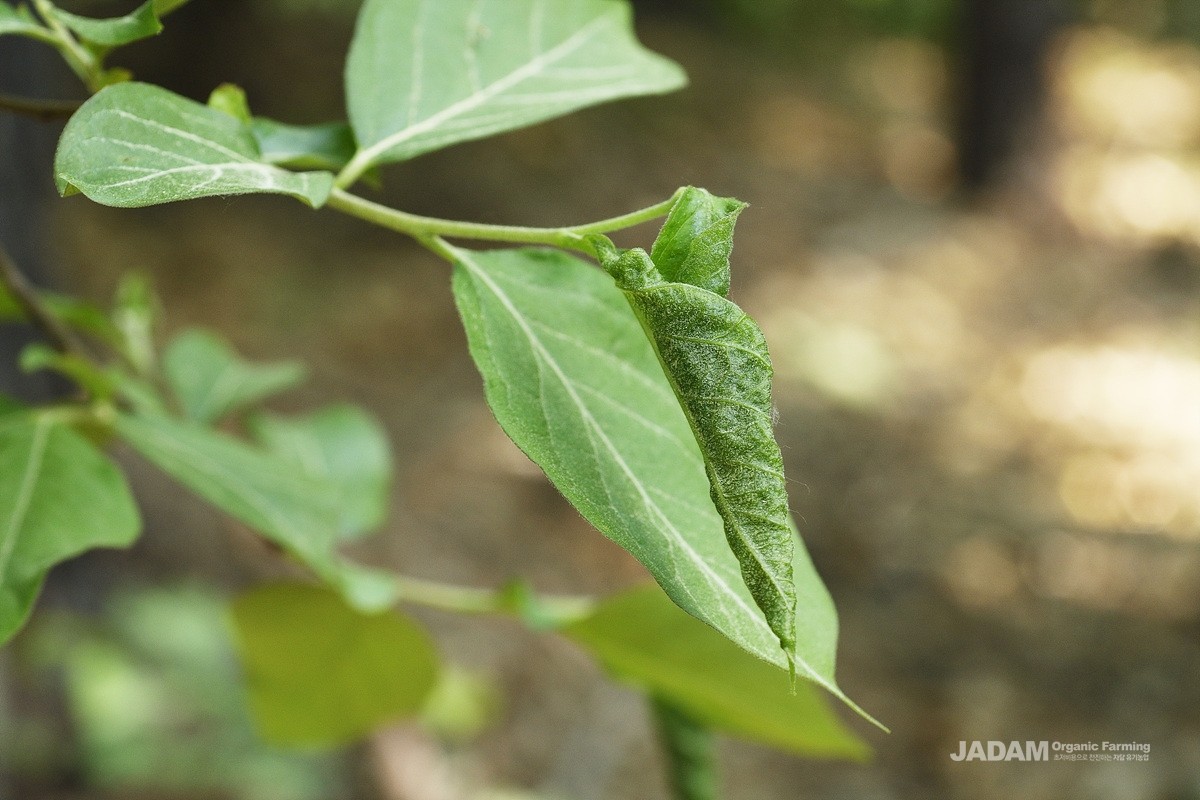
Typically, the insect has one generation per year, though occasionally a second generation may appear on lateral branches. It infests not only sweet persimmons but also astringent persimmons and Siospyros lotus (Japanese persimmon). The species was first reported in 1995 in Jangseong-gun, Jeollanam-do, and has since spread throughout Korea.