

Native to North America, this naturalized winter annual herb commonly grows in wastelands, fallow fields, field edges, and along roadsides. It germinates in autumn, overwinters as a rosette, and flowers from June to September before dispersing its seeds.
When fallow lands or abandoned fields appear, Horseweed (conyza canadensis) and Daisy Fleabane (Erigeron annuus) are often the first invaders to take over. Each plant can produce tens of thousands of tiny seeds attached to fine hairs, allowing them to spread easily by wind. Their germination rate is high, and their rapid growth in spring enables them to outcompete other plants and dominate the area.
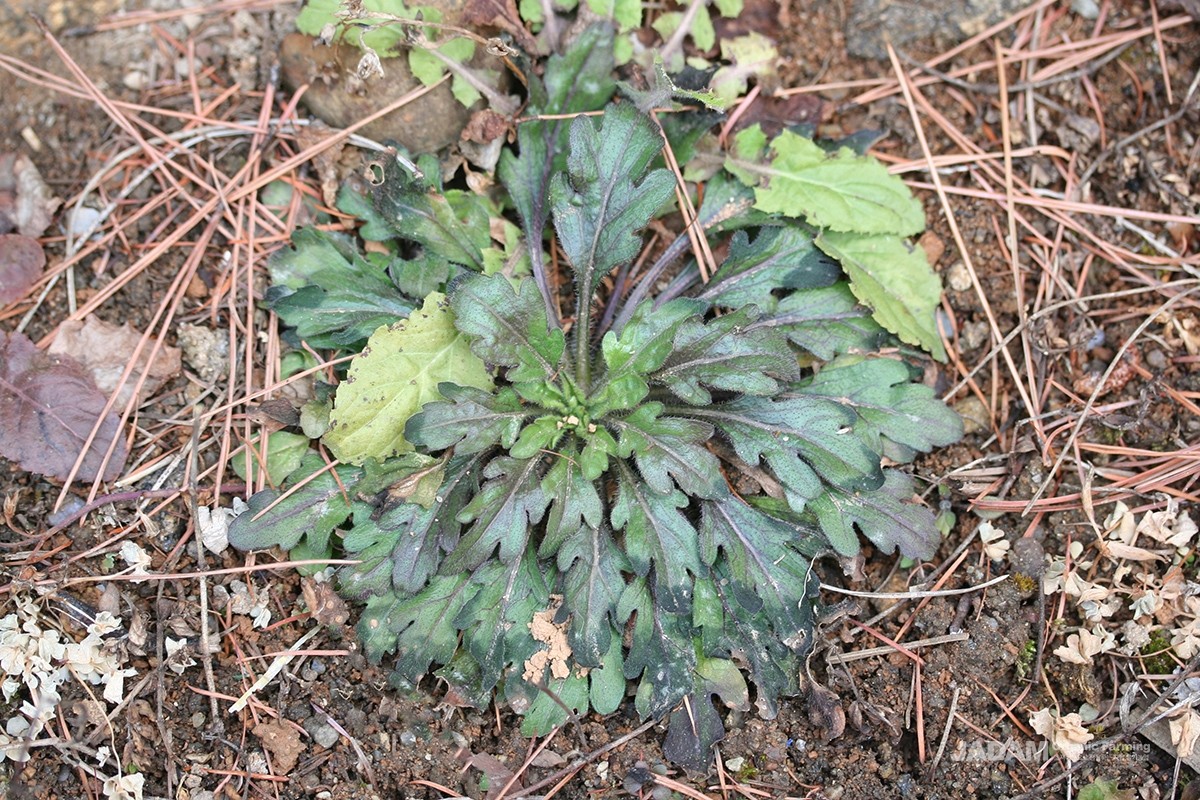
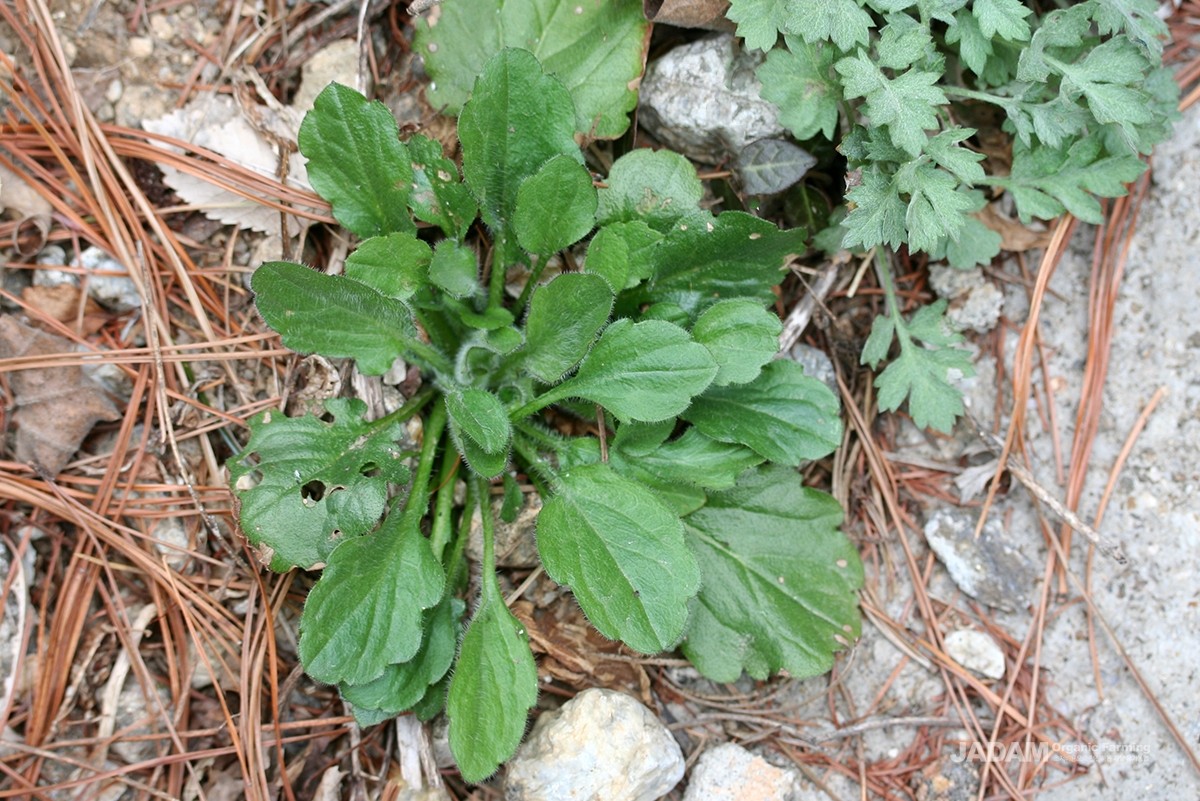
Horseweed and Daisy Fleabane are native to North America. It is believed that they were introduced to Korea around 1897, during the construction of the Gyeongin railway. Their seeds likely arrived attached to railway sleepers, spreading along tracks. As these foreign plants proliferated rapidly during the decline of the Joseon Dynasty - amid Western imperial economic invasions and Japan’s annexation of Korea - people began calling them “Mangscho” (the plant of national ruin).
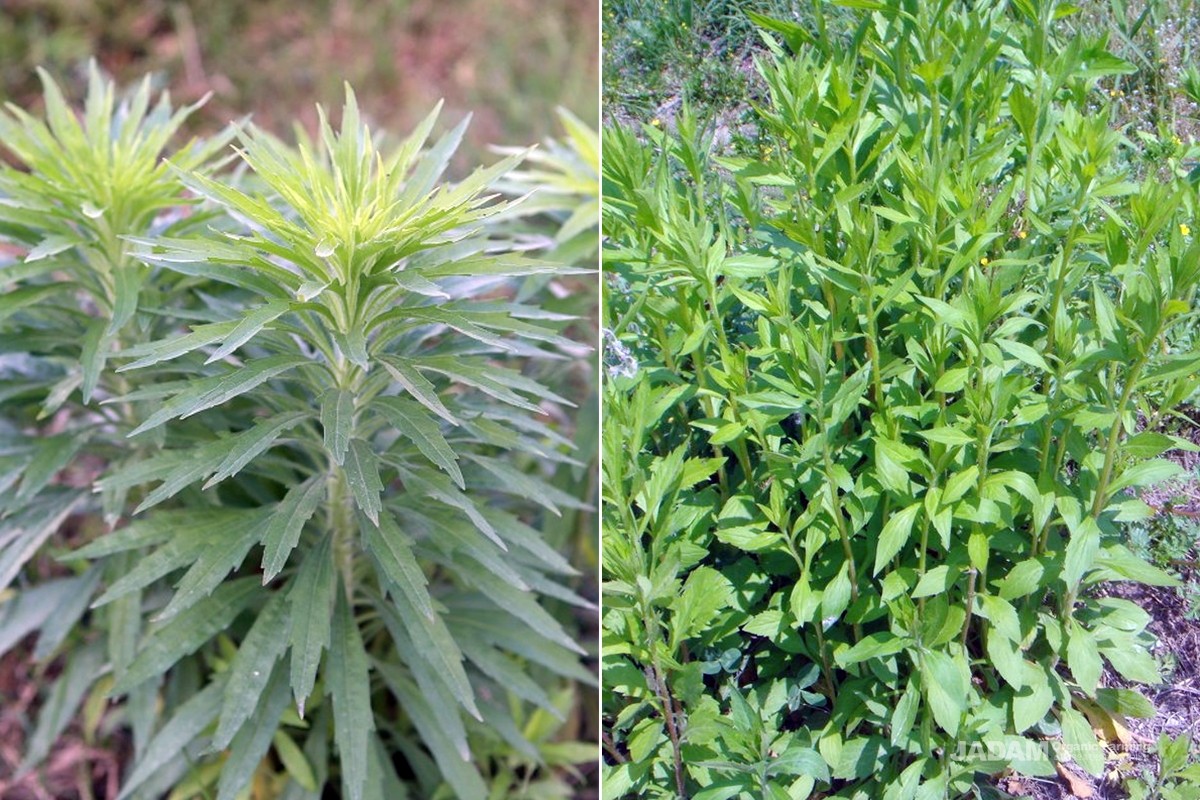
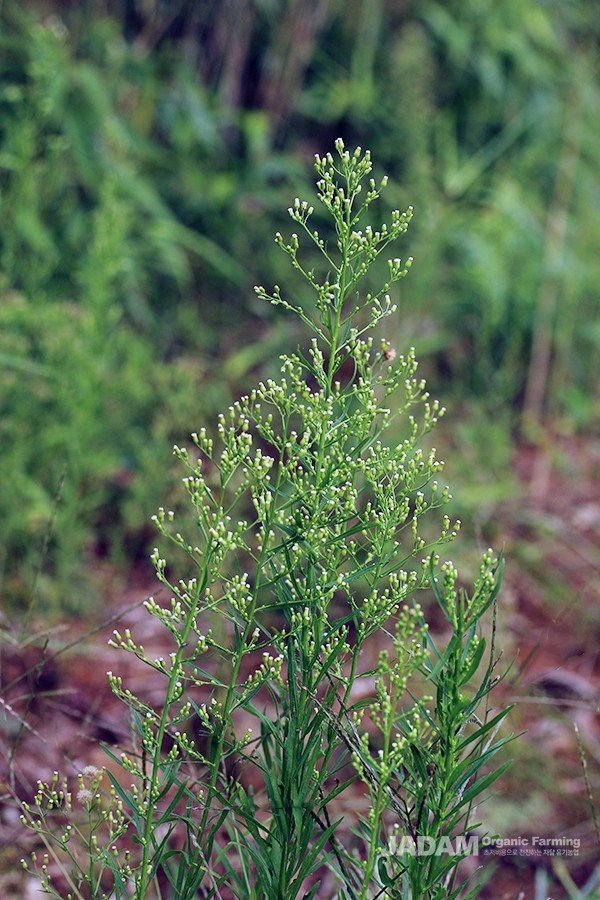
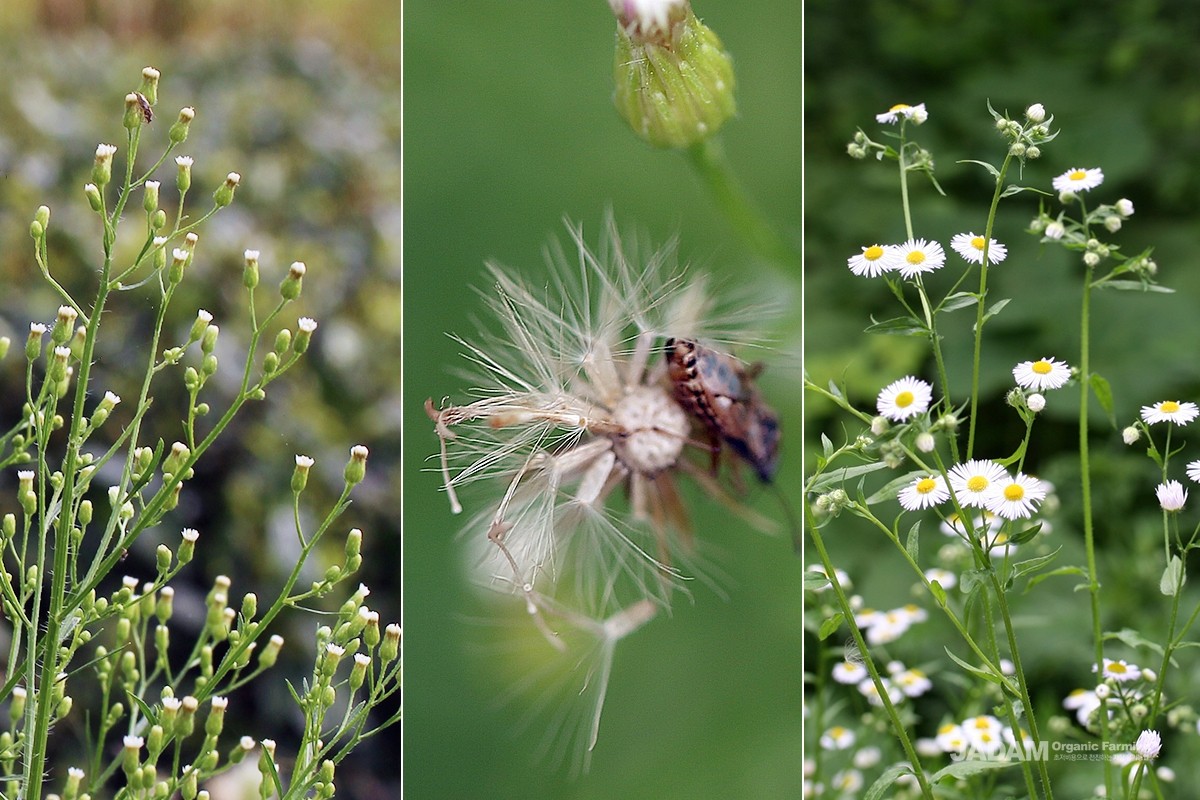
Horseweed (Conyza canadensis) is an annual plant in the Asteraceae family. It germinates in autumn, overwinters in a rosette form, and grows stems that usually exceed 1 meter in height. Its leaves are alternate and densely arranged, narrow and tapering toward the tip. It flowers from July to September, producing small, inconspicuous panicle clusters. Compared to Daisy Fleabane, its flowers are much smaller, with very short white ray florets, making it hard to tell whether it has bloomed unless viewed closely.
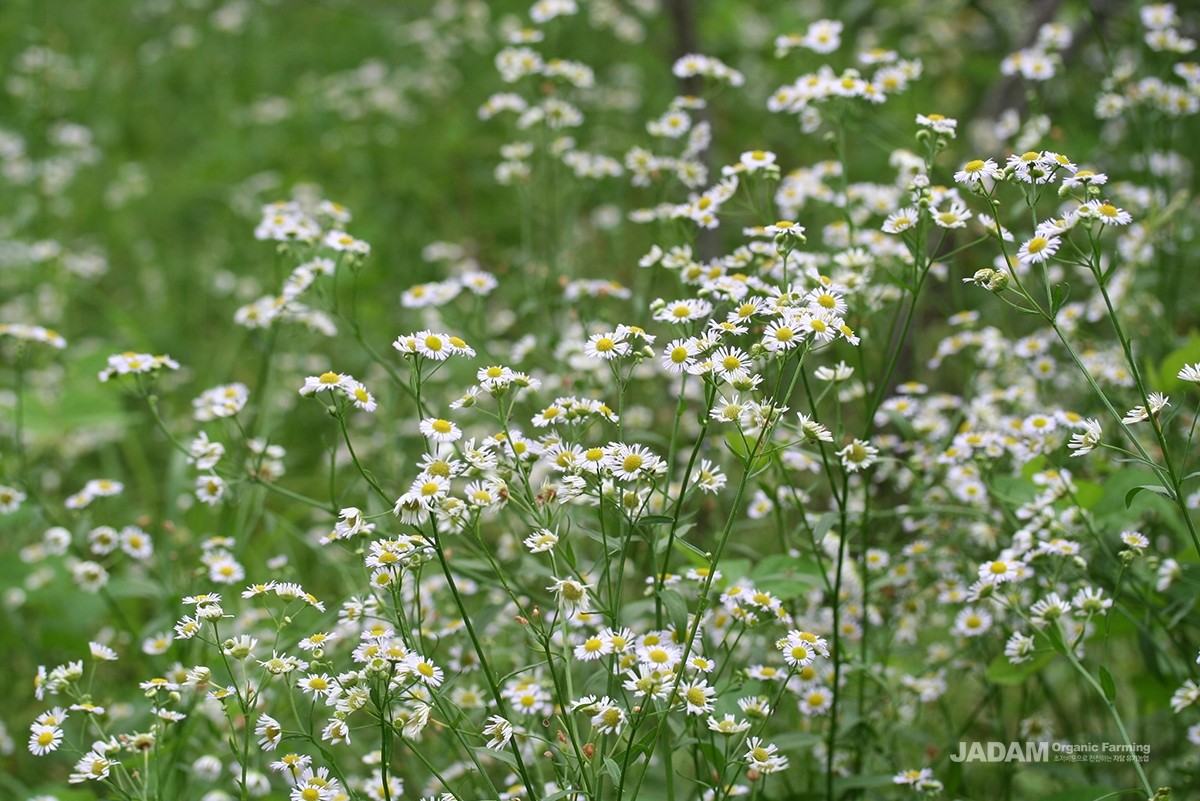
Daisy Fleabane (Erigeron annuus) blooms about a month earlier, from June to July. Its flowers are larger and more prominent, with long white ray florets surrounding yellow disk florets, resembling a fried egg, hence its nickname “egg flower.” The leaves are broader and more sparsely arranged than those of Horseweed, and its stem is solid rather than hollow.
▶ Uses and Medicinal Properties
In winter and early spring, young shoots can be boiled and eaten as seasoned greens or added to soybean paste soup. They can also replace spinach in Japchae (stir-fired glass noodles). The plant is known to reduce fever, detoxify the body, and aid digestion, and is said to help with enteritis, diarrhea, and infectious hepatitis. It has a slightly bitter and pungent flavor and a cooling nature.
▶ Control Methods
Since they can grow up to 1-2 meters tall, it is best to remove them while young or mow them down before seed dispersal (June-July) to prevent spread.
▶ Name Origin and Related Species
Because Horseweed spread rapidly in Korea during the fall of the Joseon Dynasty, it came to be called “Mangcho”, meaning “the plant of national ruin.” Similar species include Thread Fleabane, which has narrow linear leaves, Tall Fleabane, which has larger flowers, and Spatulate Fleabane, which has spoon-shaped leaves.