

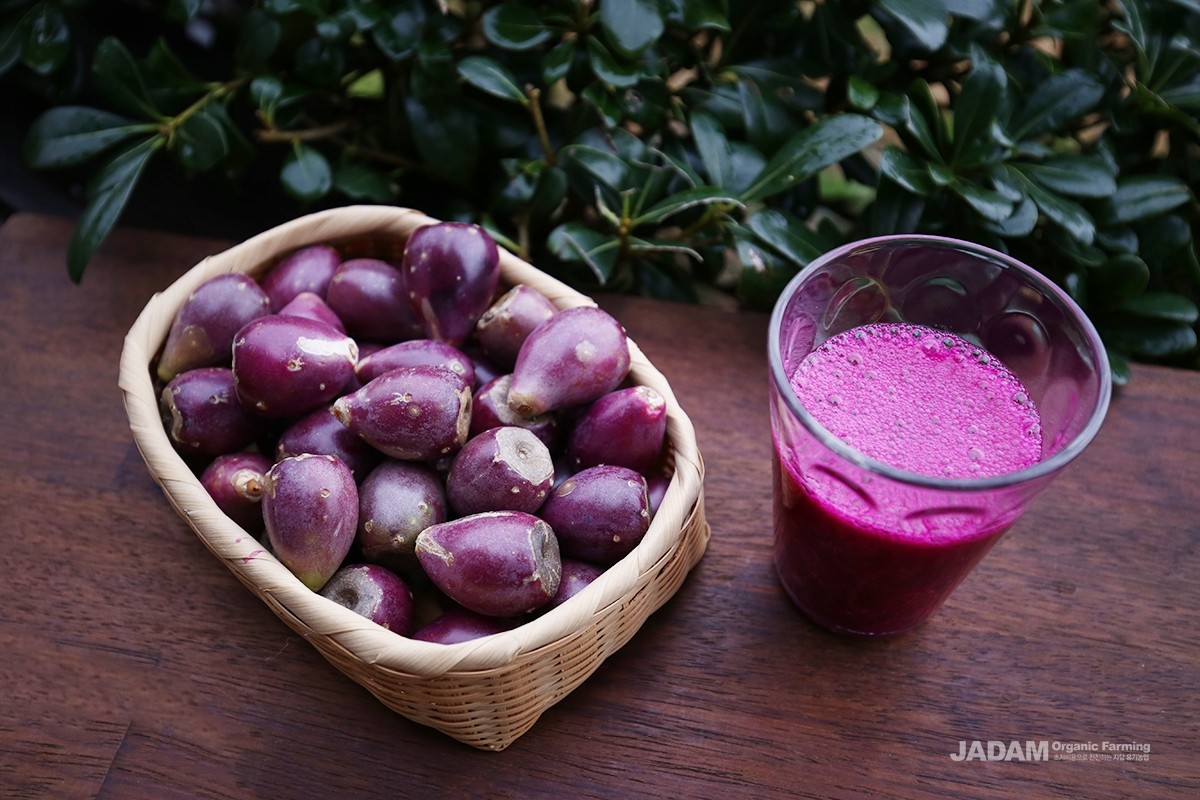
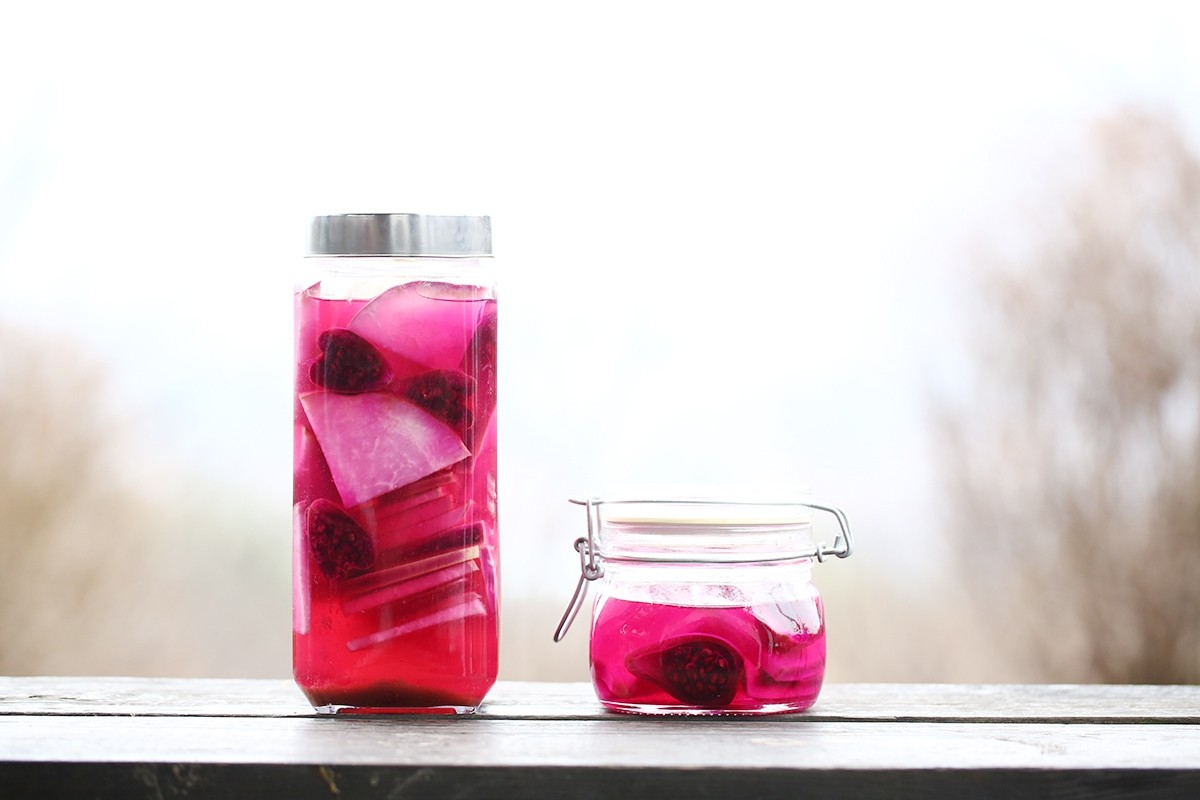
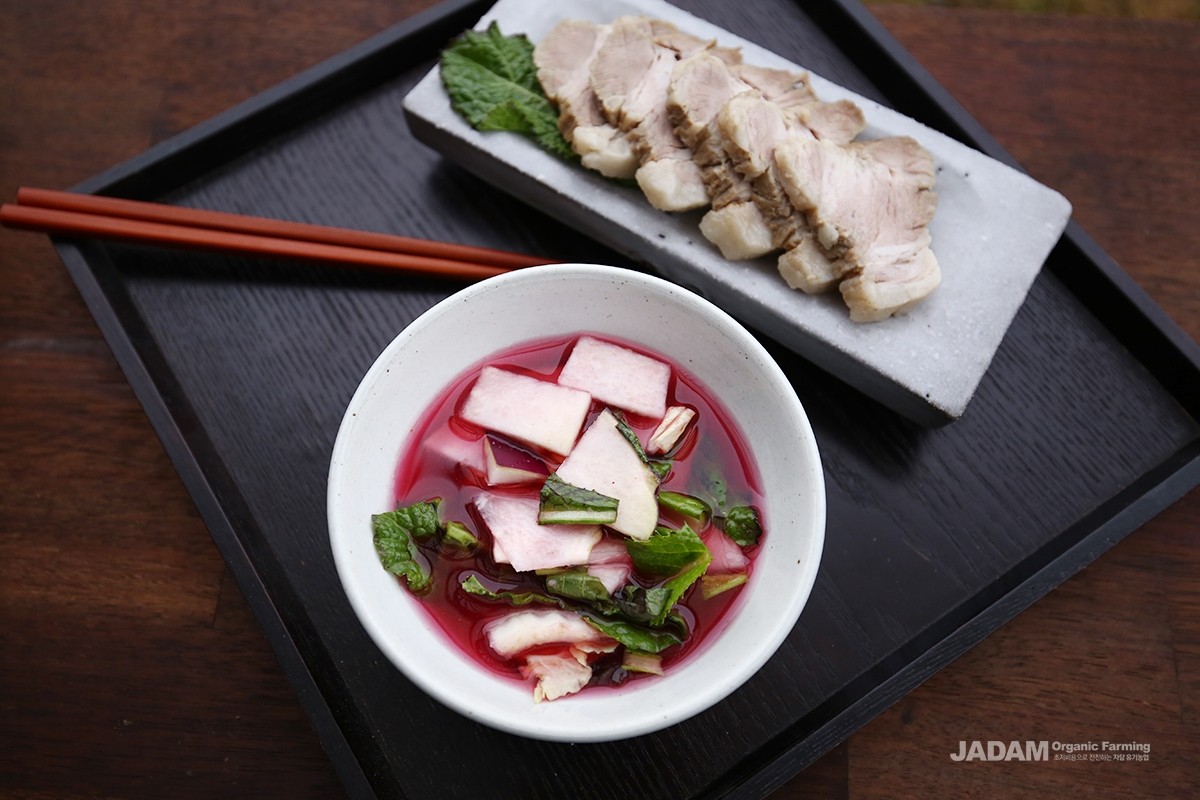
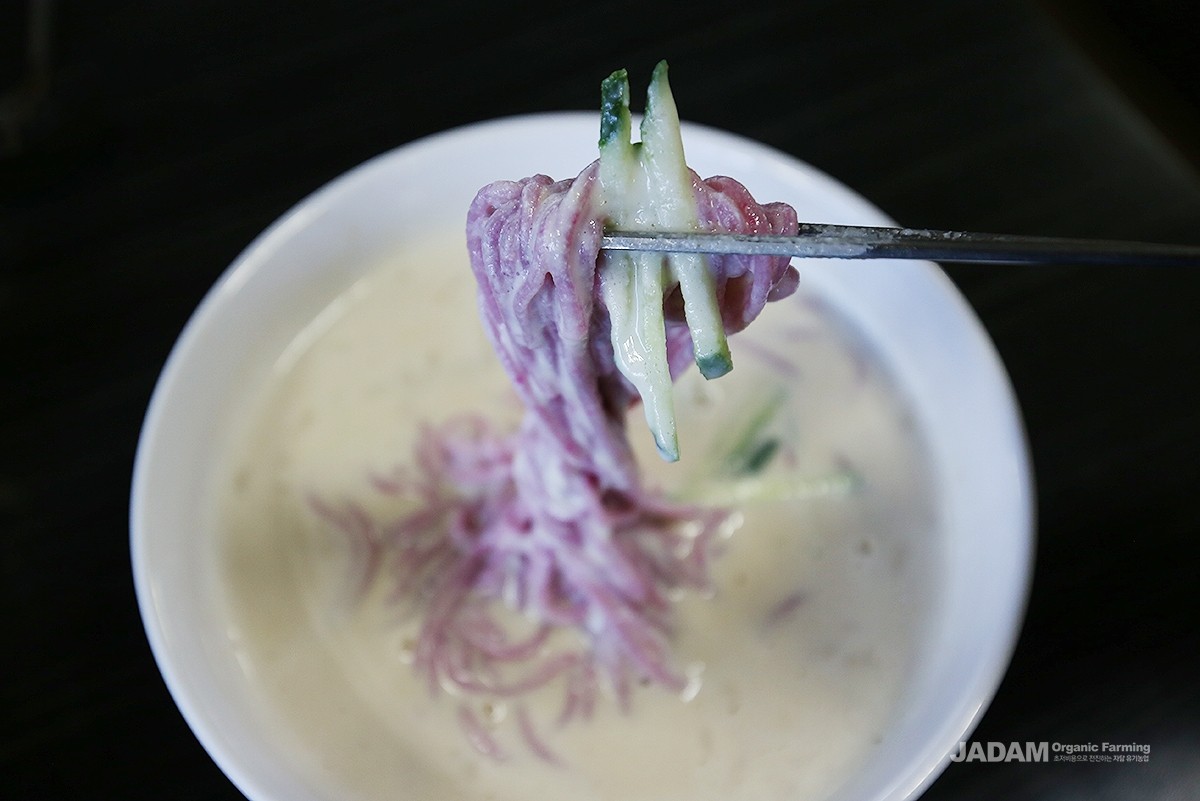
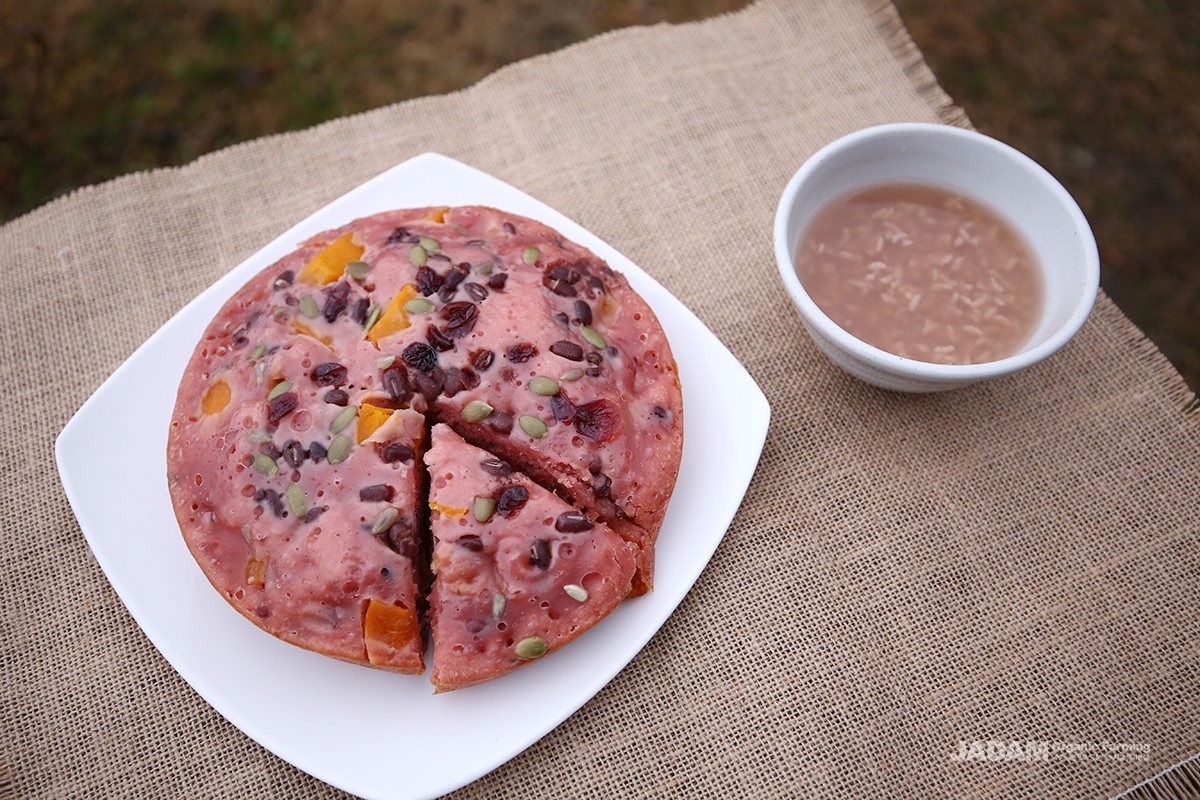
The juice can be extracted and drunk as it, or mixed with sugar and fermented into an enzyme drink. It can also be used to make water kimchi or pickled dishes. The juice or powder can be mixed with wheat or rice flour to make dough for noodles or rice cakes.
Its nature is cool and it is non-toxic. It helps promote the circulation of qi (energy) and blood, reduces fever, and has detoxifying effects. It is effective for stomach pain, sore throat, bronchial asthma, caught, burns, and frostbite.
The prickly pear (Opuntia ficus-indica) and the eastern prickly pear (Opuntia humifusa) are succulent plants of the cactus family native to Central and South America. The prickly pear was long ago carried by ocean currents and came to grow naturally on Jeju Island, while the eastern prickly pear was introduced to Korea and is now cultivated in many regions. Amazon the Opuntia species, these are often called palm cactus or fan cactus because their flattened pads resemble the shape of a hand or fan.
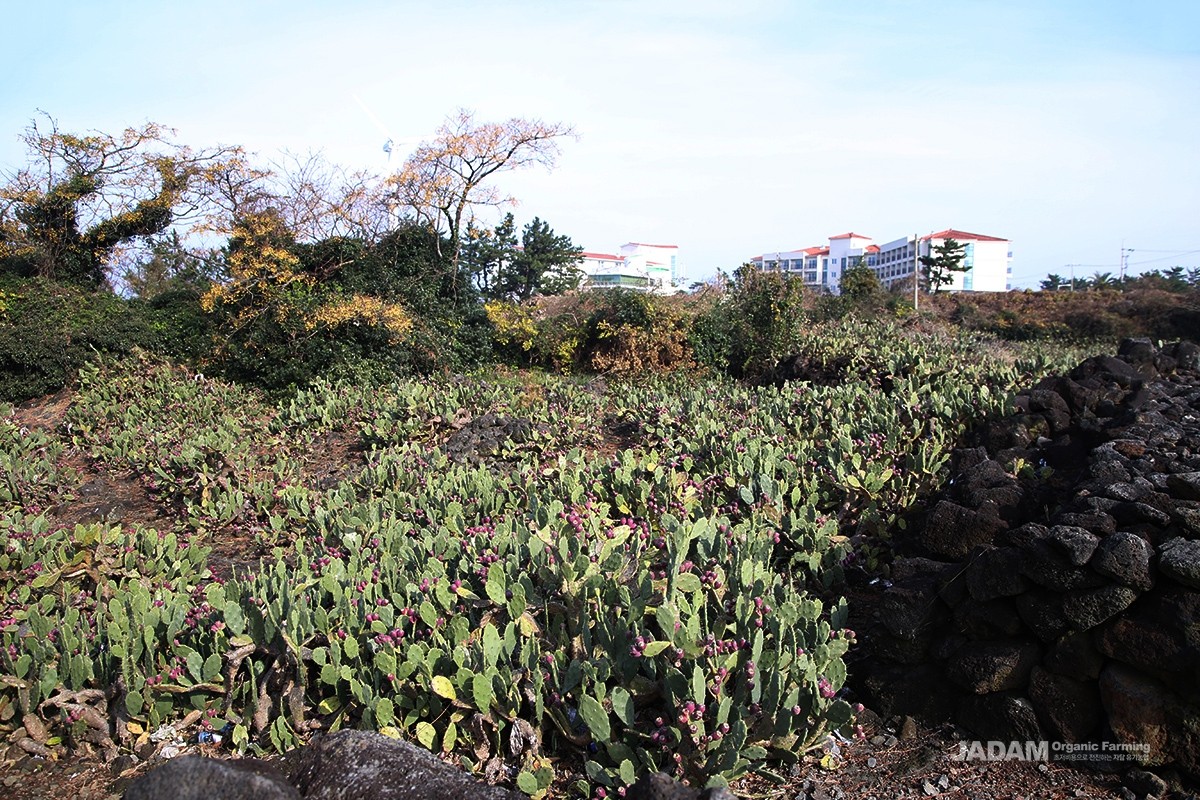
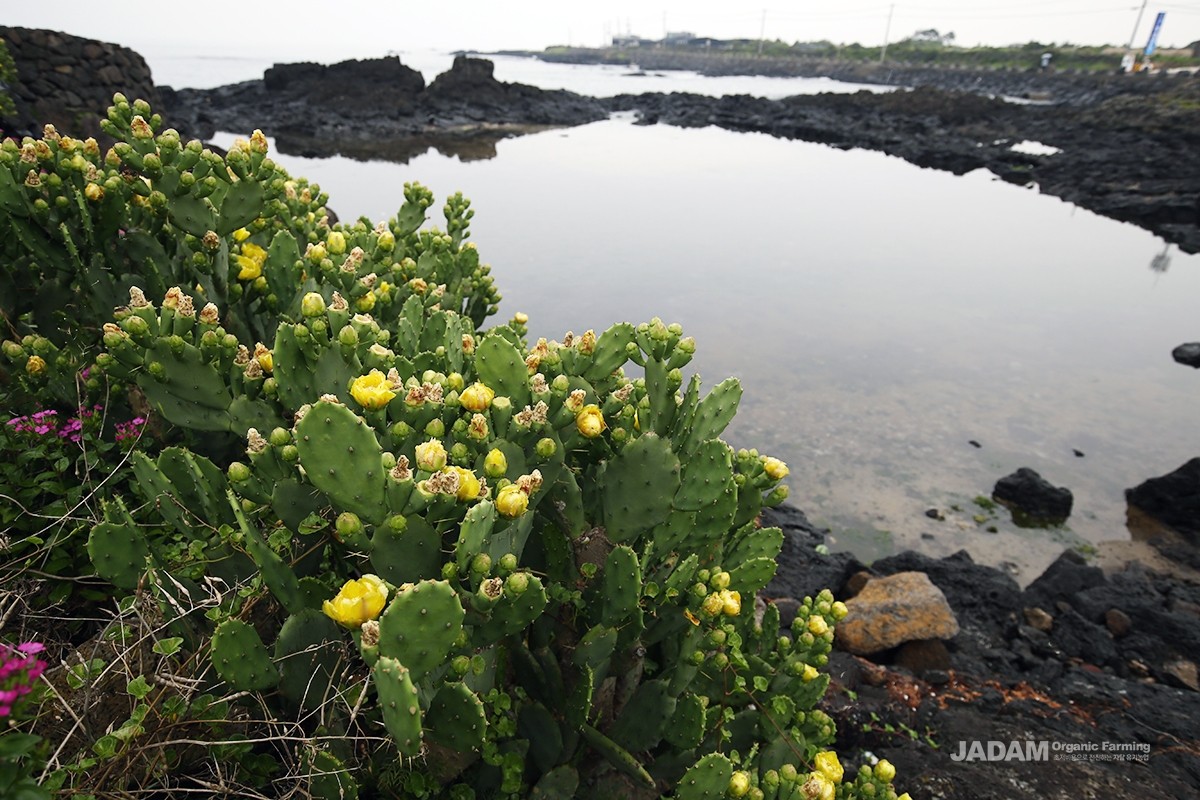
The prickly pear grows with rounded, flattened green stems that connect and reach a height of about 30-40cm. In spring, small green fruits develop along the edges of the stems, and yellow flowers bloom there from May to June. After the flowers fall, the fruits enlarge and ripen to a purplish color. The eastern prickly pear grows lower to the ground than the prickly pear, with its stems spreading flat along the soil surface. It has no long spines, only fine hair-like glochids that appear as tiny soft bristles.
In their native lands, both the pads (called nopalitos) and fruits (nopal) of these cacti are eaten as vegetables. The juice can be extracted and drunk fresh, or mixed with sugar and fermented into an enzyme drink. The fruits can also be made into jam. They are delicious when used in water kimchi or pickled dishes. The juice or powder can be mixed with wheat or rice flour to make dough for noodles or rice cakes. It is also used in making sikhye (sweet rice beverage) or makgeolli (rice wine), or infused in alcohol and aged as a drink. Fresh pads may also be sliced and used as a natural facial pack.
For medicinal use, mainly the stems or roots are utilized. Their nature is cool and non-toxic. They promote the circulation of qi (energy) and blood, help reduce fever, and have detoxifying effects. They are effective for fever, stomach pain, sore throat, bronchial asthma, coughs, and pulmonary tuberculosis. For mastitis burns, frostbite, and boils, the stem is crushed and applied directly to the affected area. In folk medicine, the stems are boiled and used as a remedy for diabetes. Because of their cool nature, people with cold lower abdomens or weak pulses should avoid excessive use.
The stem are rich in dietary fiber, triterpenoids, organic acids, vitamin C, and minerals such as calcium, magnesium, and manganese. The triterpenoid saponins help support the respiratory system, reduce inflammation, and enhance immune strength. The purplish fruits contain pigments such as betacyanin (a red pigment) and indicaxanthin ( a yellow pigment), which provide strong antioxidant and anti-anemic effects.
When handling the stems or fruits, be careful not to prick your hands with the fine spines. Wear rubber gloves, knead them thoroughly in water, and rinse well. Propagation is done by cuttings. In spring or summer, cut the upper stem at a joint, dry it for 2-3 days until the cut surface heals, and then plant it.
[How to Enjoy Prickly Pear and Eastern Prickly Pear]
1. Extract the juice and drink it fresh, or mix with sugar and ferment into an enzyme
beverage.
2. Use the fruits to make water kimchi or pickled side dishes.
3. Mix the juice or powder into flour or rice flour to make noodles or rice cakes.
4. Use it in brewing sikhye (sweet rice drink) or makgeolli (rice wine), or soak it in
alcohol to mature and drink.
5. Cut fresh pads and use them as a natural facial pack.