

The leaves and fruits can be mixed with sugar to make a fermented enzyme drink, which is effective as a remedy for hangovers. The twigs and fruits can also be decocted and enjoyed as a tea or used in various dishes. They promote the circulation of qi (energy) and blood, helping to relieve joint and muscle pain caused by wind-dampness. In addition, they have the effect of detoxifying alcohol.
Raisin Tree (Hownia dulcis) is a tall tree in the buckthorn family (Rhamnaceae), distributed sparsely across Korea, though it is now widely cultivated. It can grow up to 15 meter tall, usually along sunny valleys. As the tree ages, its bark turns gray-brown and cracks irregularly, while the young branches show a reddish tint. The leaves are broadly ovate, with pronounced veins, blunt serrations on the edges, and margins that curl inward.
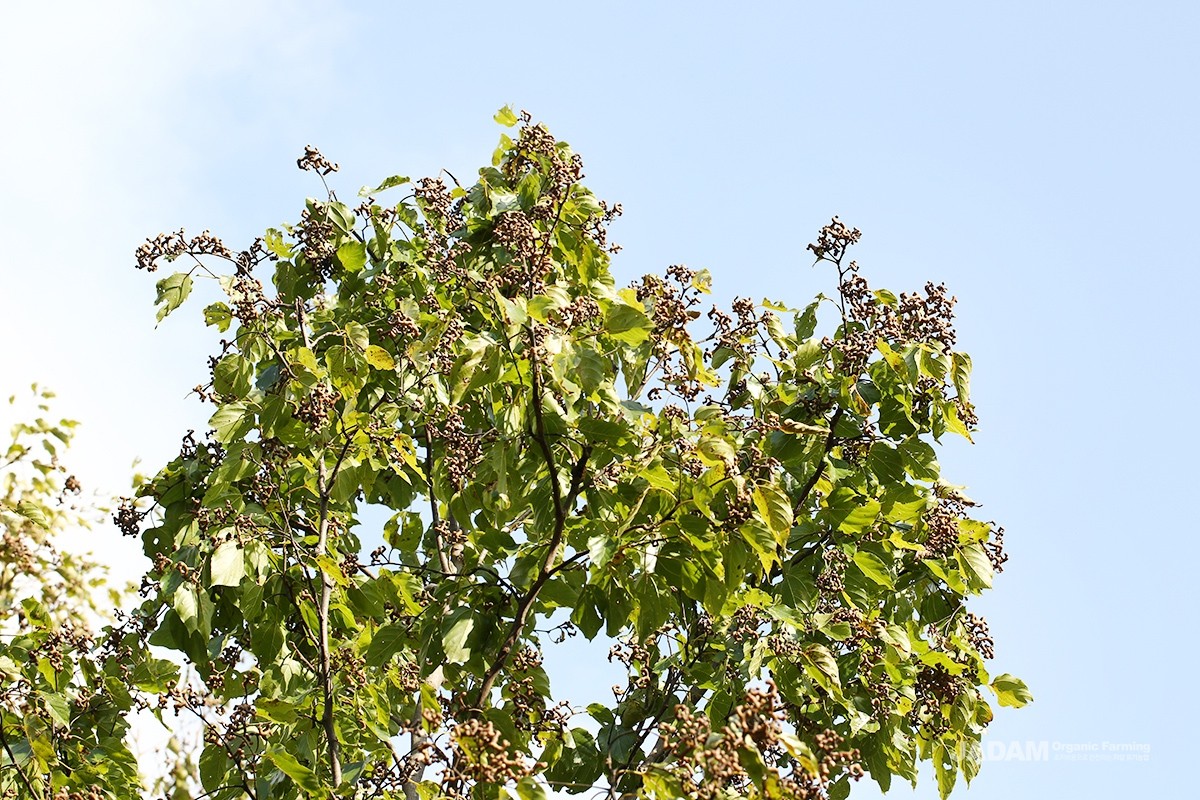
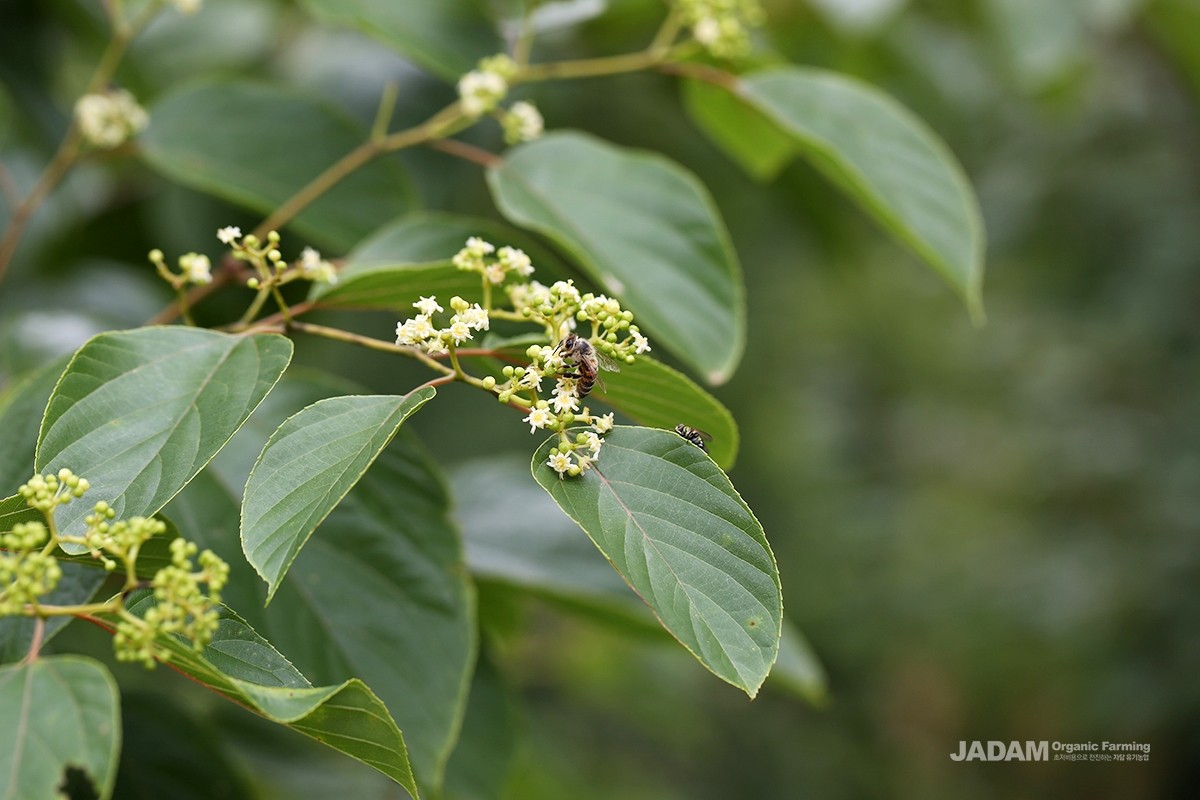
From June to July, clusters of small white flowers bloom at the ends of branches and in the axils of the leaves. Each flower has five sepals and five petals, with a pistil divided into three parts. By September to October, the fruits ripen into a brown color. The thick, T-shaped, knobby fruit stalks bear small pea-sized fruits that look decorative, each containing three seeds.
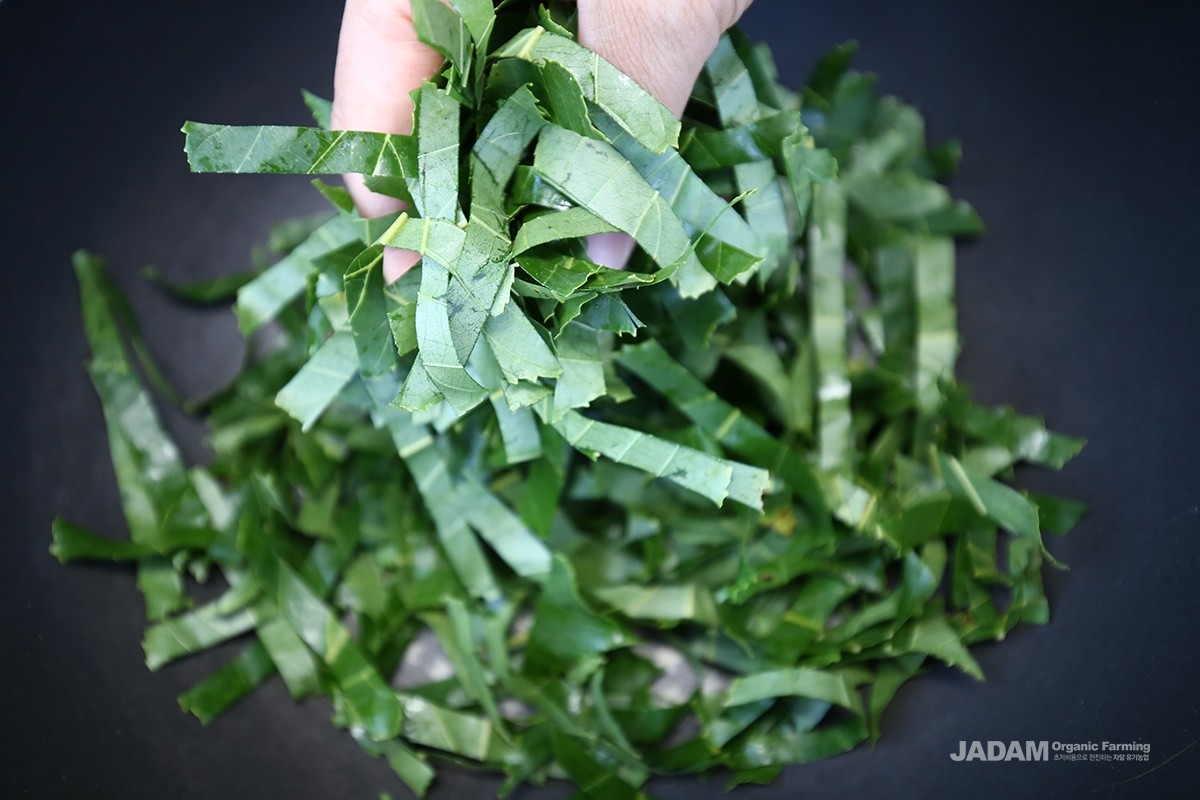
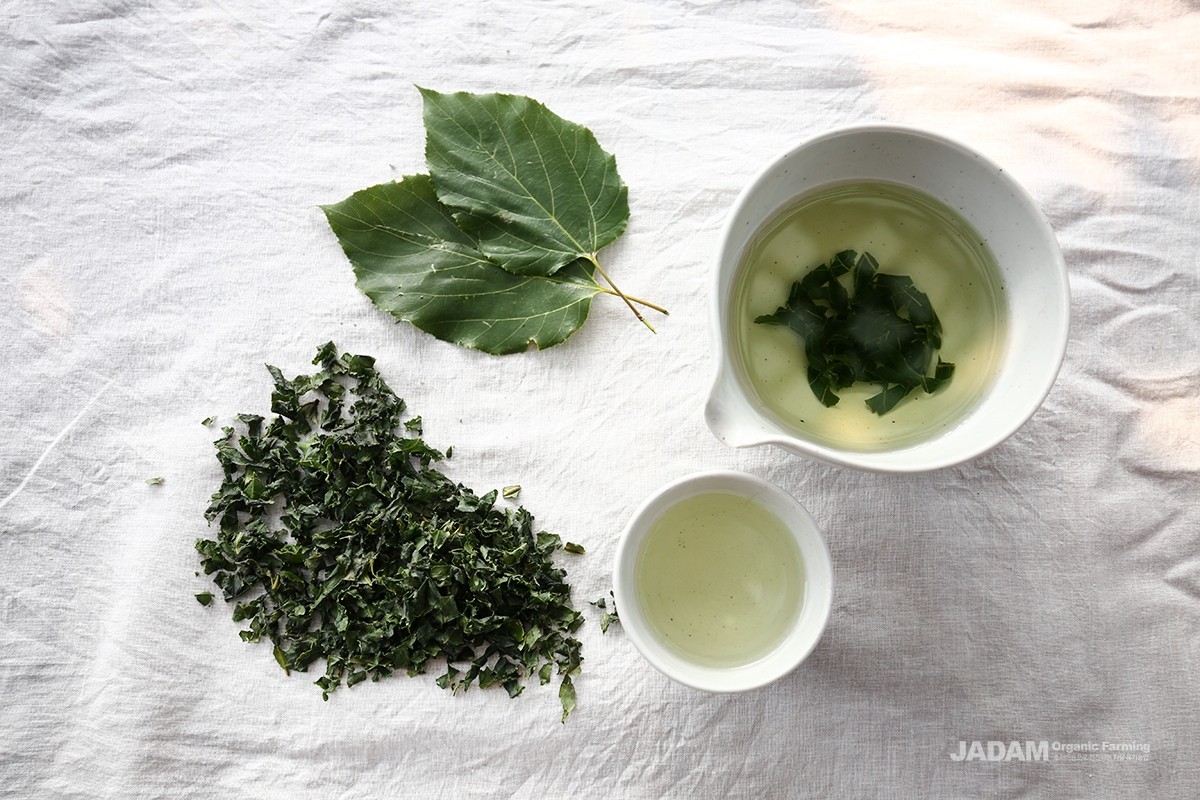
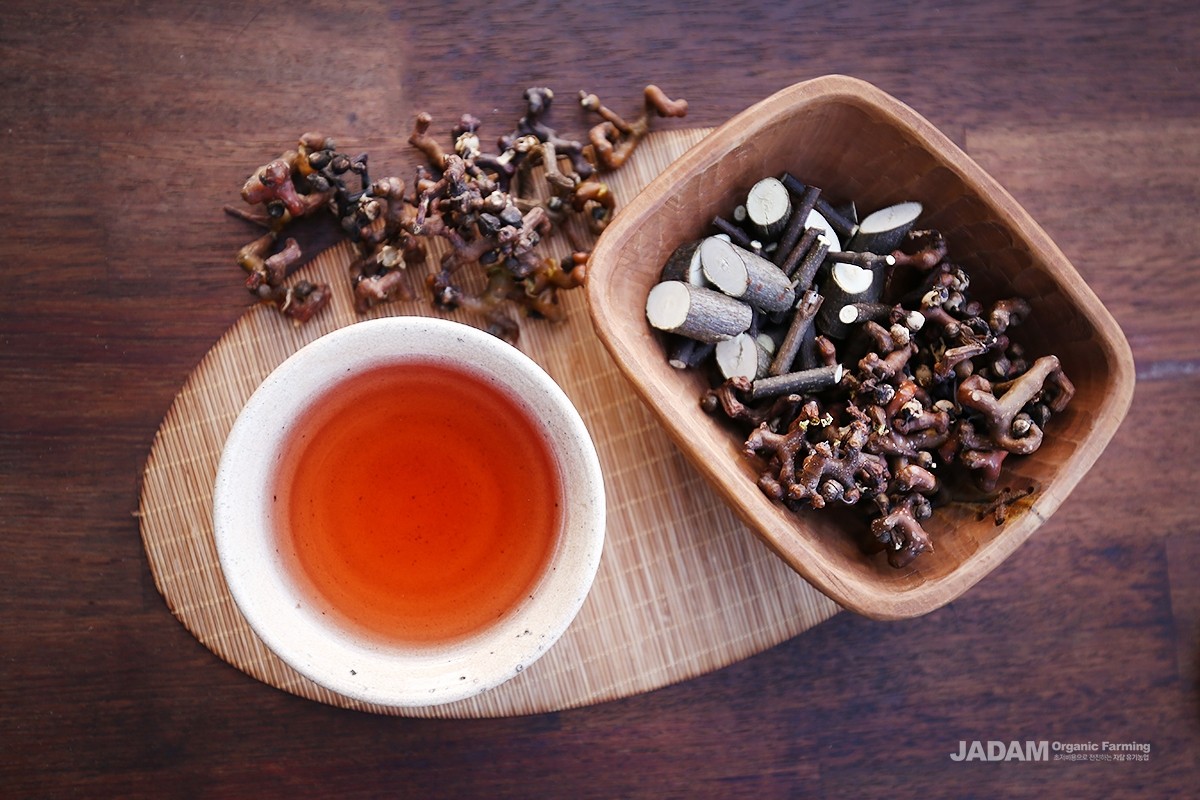
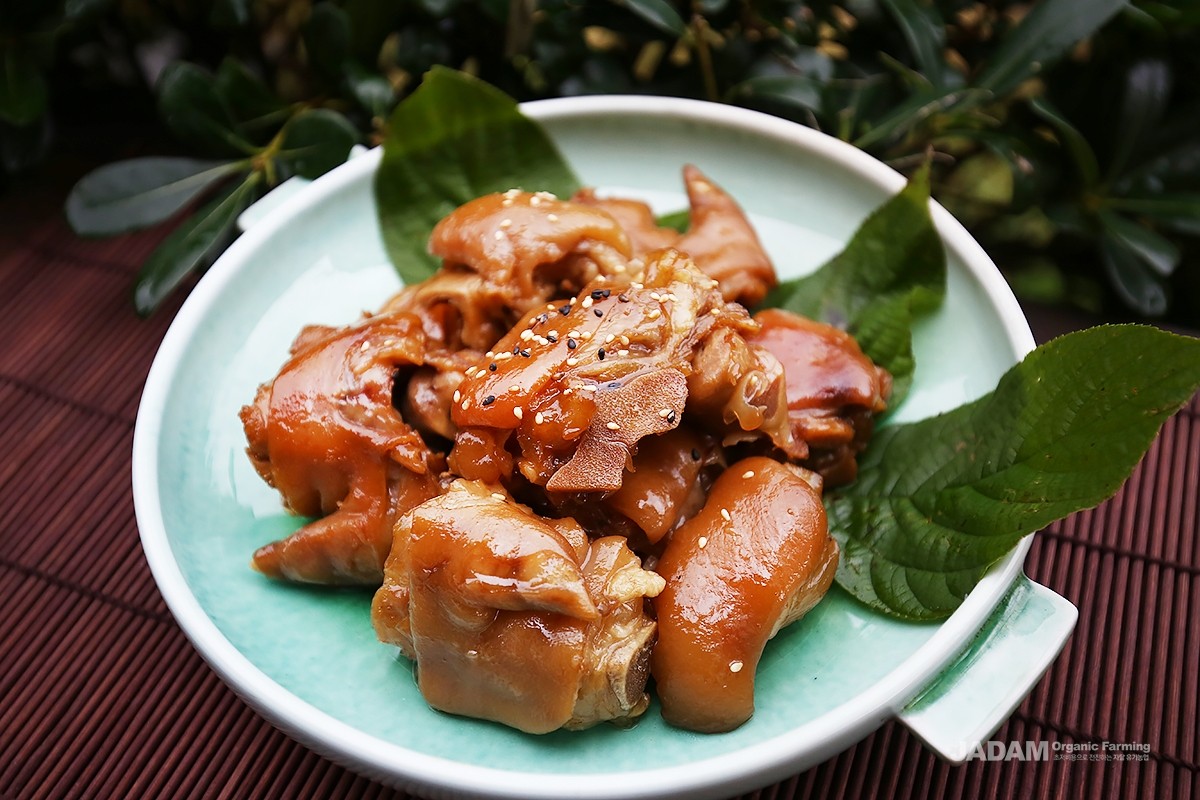
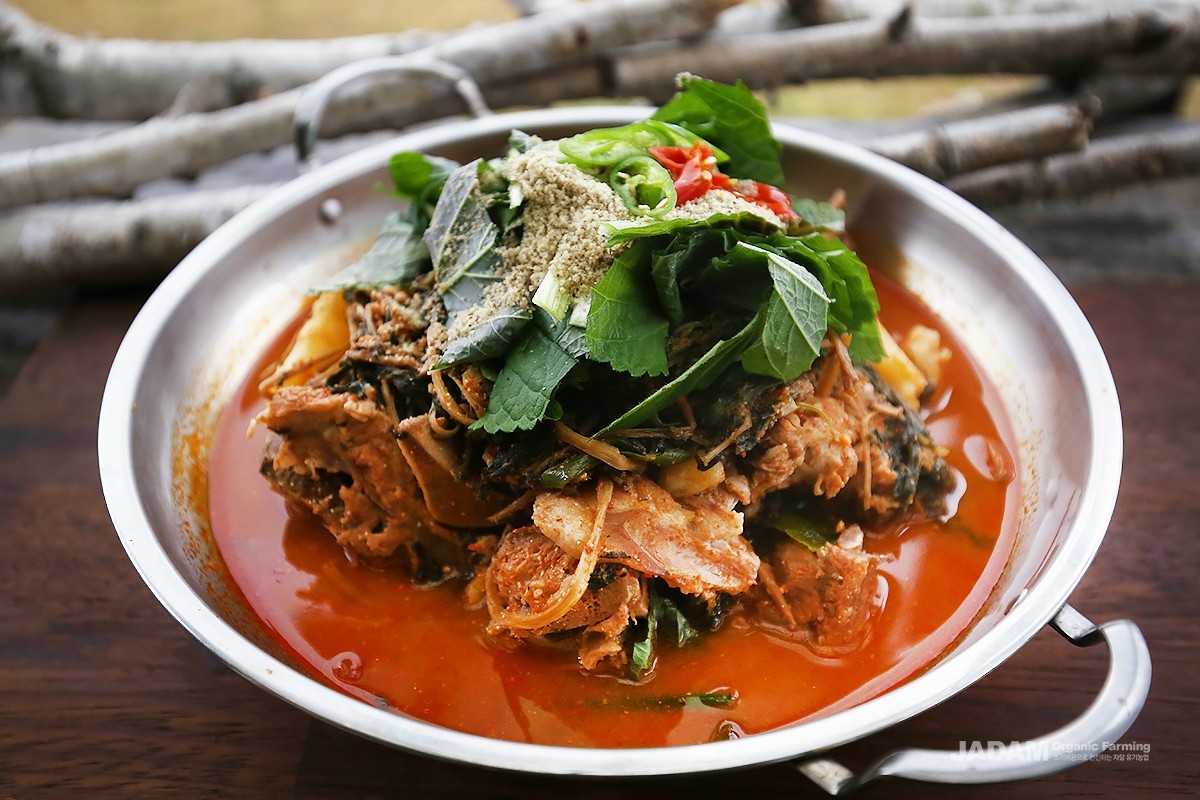
The young leaves are blanched and eaten as wraps or pickled as jangajji (soy sauce- or chili pasted- based Korean pickles). Mature leaves can be pan-dried and brewed into tea. Leaves and fruits can also be mixed with sugar and fermented into an enzyme drink, traditionally consumed as a remedy for hangovers. The knobby fruit stalks have a natural sweetness and can be eaten raw or infused in liquor. Small branches and fruits are often decocted into tea or used as flavoring in various dishes.
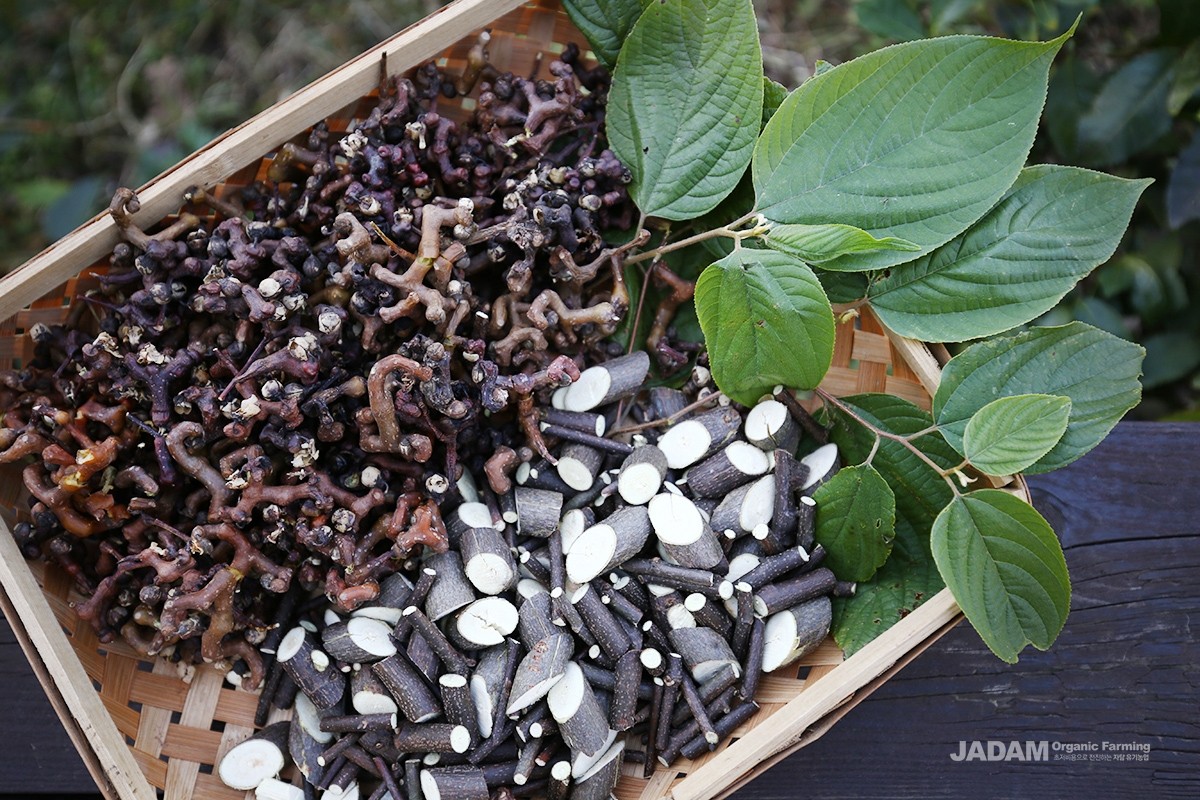
The roots, bark, and leaves are also medicinal: the root is called Zhijugen (枳椇根), the bark Zhijumupi (枳椇木皮), and the leaves Zhijuye (枳椇葉) in traditional medicine. Roots and bark are harvested in autumn and winter, leaves in spring and summer, and all are dried for use. They are believed to promote circulation of qi (energy) and blood, alleviate joint and muscel pain caused by rheumatism, stop vomiting, and detoxify alcohol (relieve “alcohol posisoning”).
The fruit, called Zhijuzi (枳椇子), is harvested together with the fruit stalks in October and November when fully mature, then sun-dried. It has a mild fragrance and sweet-sour flavor, containing abundant glucose and calcium malate. In traditional medicine, it is described as sweet and sour in taste, with a neutral property.
According to the Chinese Materia Medica, Zhijuzi “quenches thirst, removes irritability, moistens the five organs, and improves urination and bowel movement. It treats paralysis, rheumatism-related numbness, and eliminates alcohol toxins. When soaked in liquor, it relaxes muscles and sinews, unblocks the meridians, strengthens the middle burner, and restores vitality. The usual dosage is 11-19 grams in decoction, or it may be soaked in alcohol or powdered for consumption. However, it is not recommended for individuals with weak spleen and stomach.”
Propagation can be done by cuttings or seeds. In spring, one-year-old branches can be cut and planted. For mass cultivation, seeds are stored at low temperature and sown the following spring.
[Ways to Enjoy the Japanese Raisin Tree]
1. Blanch young leaves to eat as wraps, pickle them,
or dry and brew them as tea.
2. Mix leaves and fruits with sugar to make a fermented enzyme drink.
3. Eat the sweet fruit stalks raw or infuse them in liquor.
4. Boil small branches or fruits into tea, or use them as flavoring in cooking.