

The root is peeled and pounded, then eaten as it is, or briefly soaked in salt water to remove its bitterness and used in salads or seasoned cold dishes. It can also be coated with a spicy sauce and grilled. Sometimes it is preserved in gochujang (Korean red chili paste) as a type of pickle, or soaked in alcohol to make medicinal liquor. It is known to reduce swelling, detoxify the body, draw out pus, eliminate phlegm, and promote lactation.
Deodeok (Codonopsis Lanceolata) is a perennial plant of the bellflower family that grows wild in forests throughout Korea. Its root is thick like that of a balloon flower (doraji), and its stem grows 2-5 m long, twining around other plants. The leaves are oval-shaped, and four of them appear clustered at the end of short branches. The entire plant emits a fragrance.
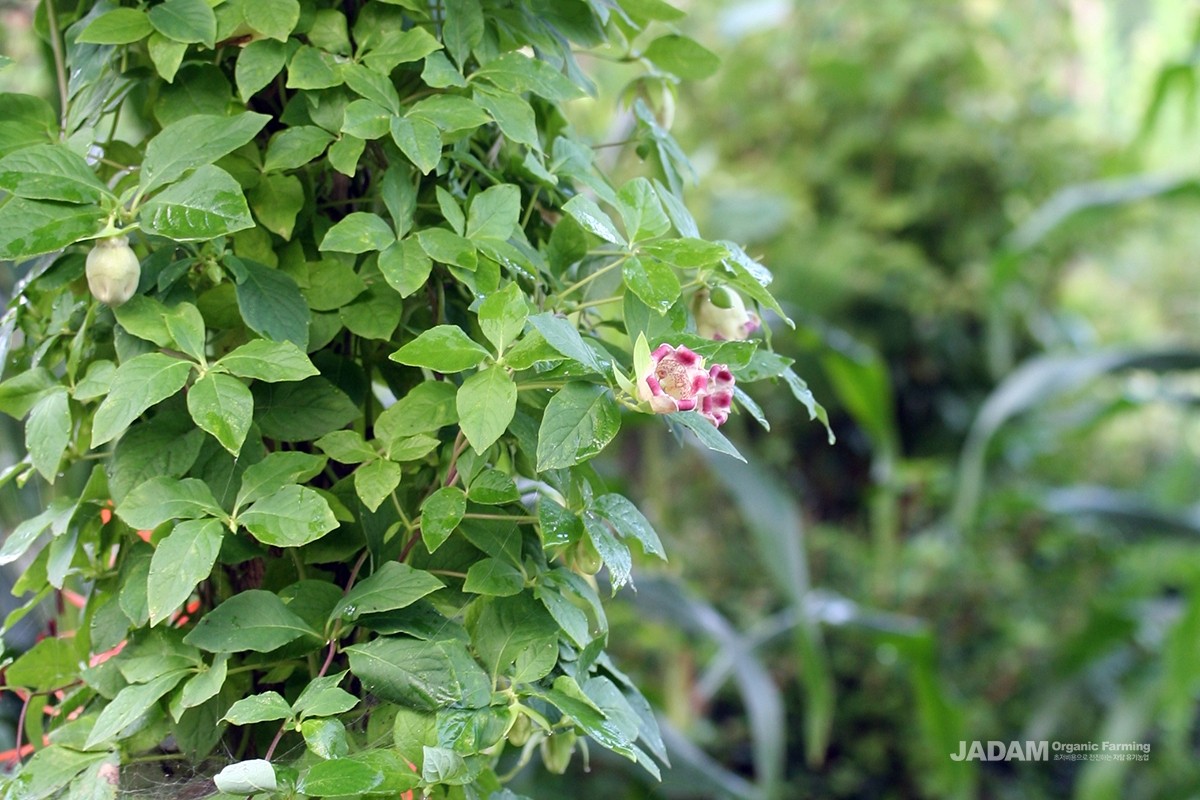
In August to September, bell-shaped flowers hang downward at the ends of short branches. The corolla is divided into five lobes that curl backward, greenish on the outside with purplish-brown spots inside. The fruit is button-shaped and ripens around September to October. When the root, stem, or leaves are cut, a white latex is exuded.
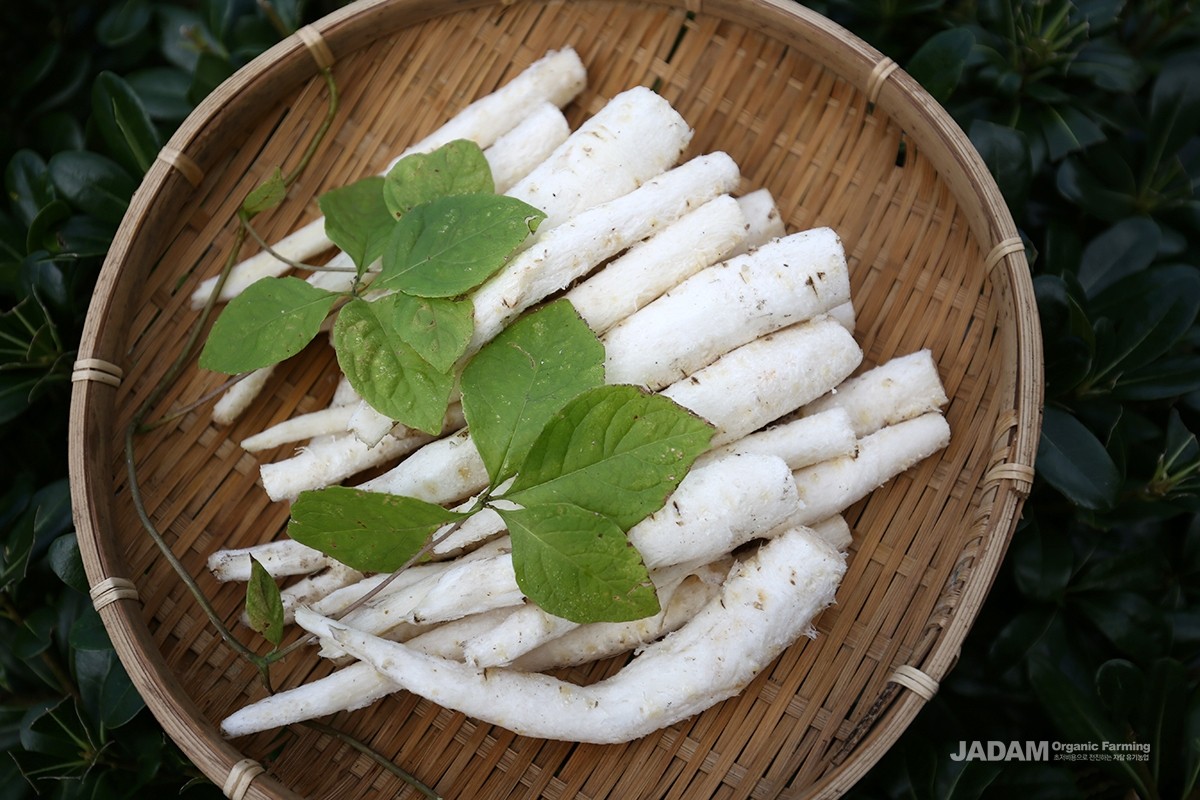
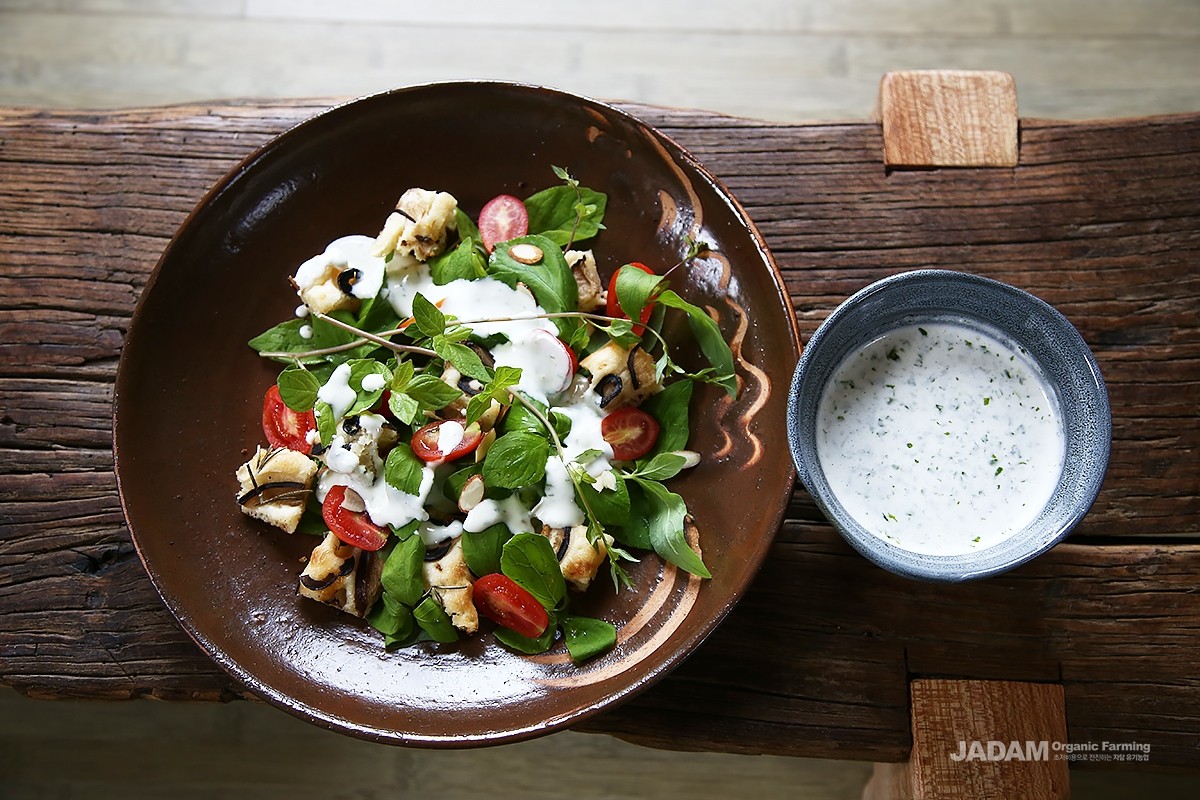
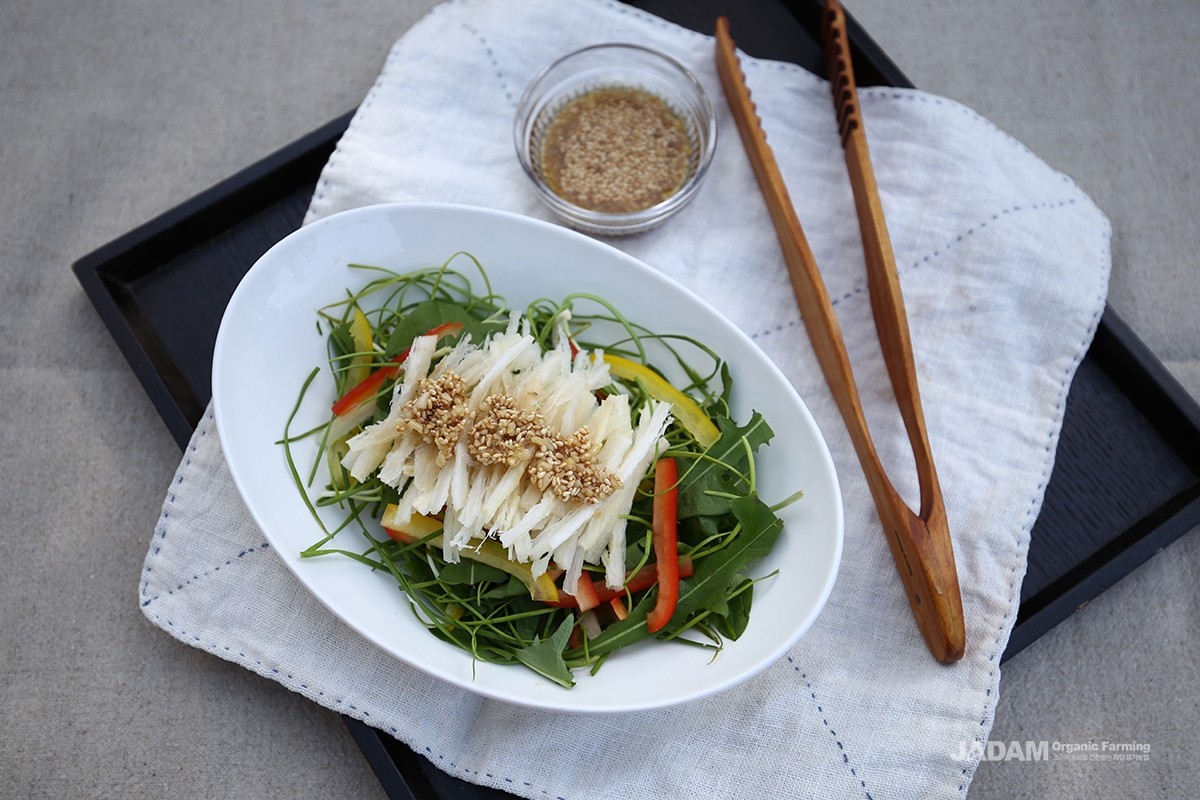
Young leaves or shoots are eaten raw in salads or used as wraps. The root is peeled, pounded, and either eaten as is, or briefly soaked in salt water to remove bitterness, then used in salads or seasoned cold dishes. It can also be coated with sauce and grilled. Fresh root can be grated and mixed with milk, or half-dried and preserved in gochujang (Korean red chili paste) as a type of pickle, or simply seasoned. It may also be infused in alcohol, or dried and ground into powder for consumption.
Traditionally, in folk medicine, crushed fresh root or powdered root was applied externally for indigestion after drinking water, severe boils, itching in the genital area, or insect and snake bites. Though weaker in effect than Codonopsis pilosula (danshen), it has been used as a tonic. The root is rich in saponins (like ginseng and balloon flower) and inulin, while the leaves contain flavonoids.
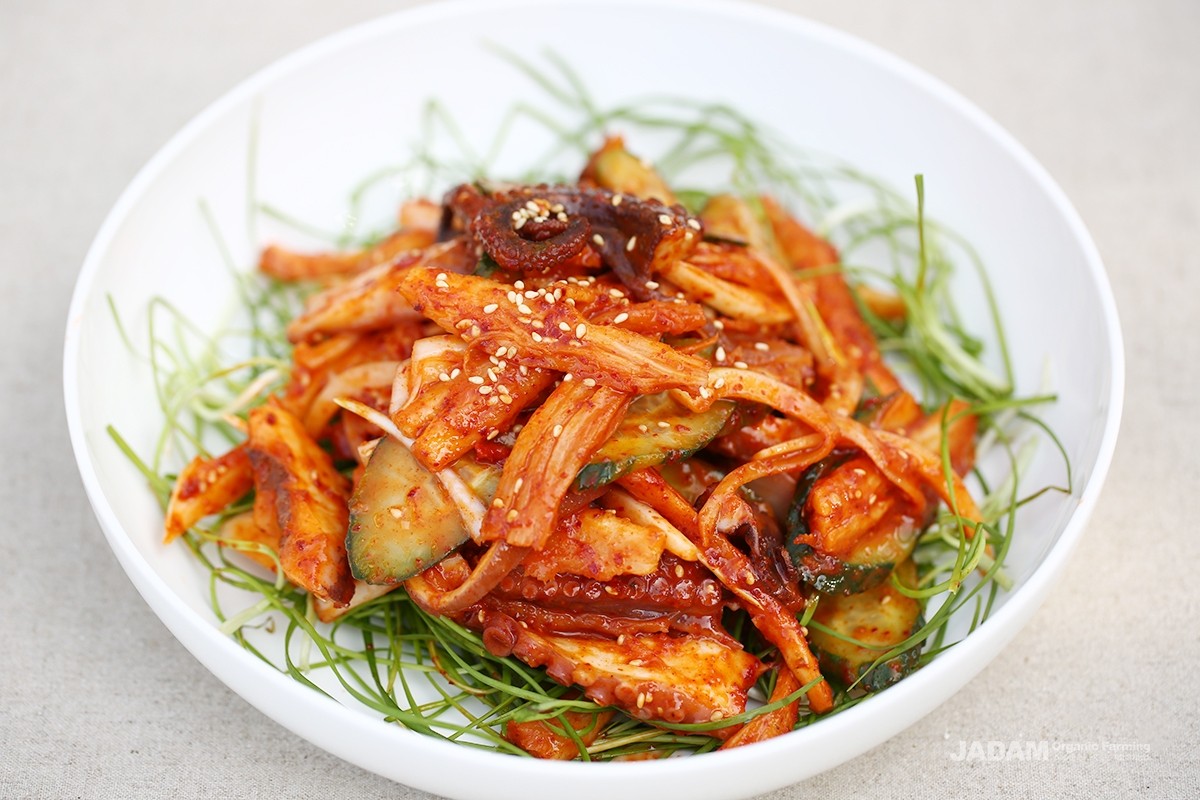
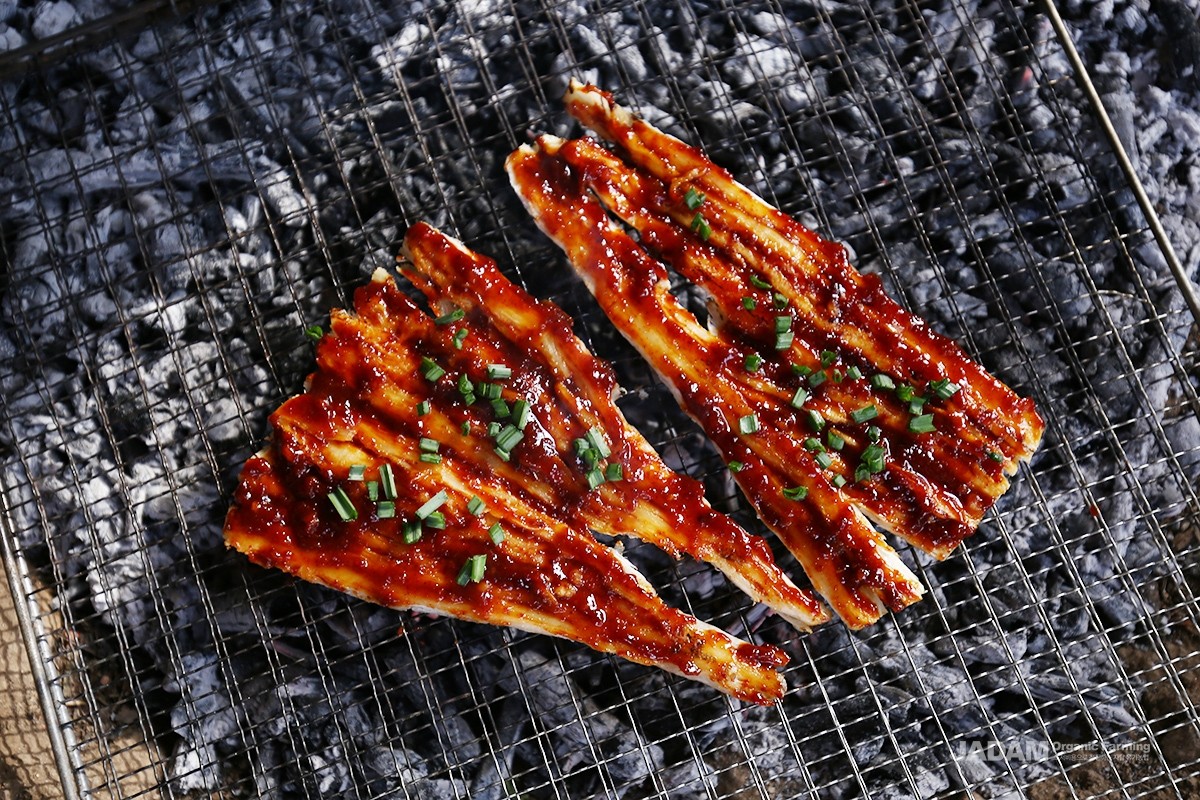
In traditional Chinese medicine, the root is called sasham (沙蔘). It is said to reduce swelling, detoxify, draw out pus, eliminate phlegm, and promote lactation. Experiments have shown expectorant and antitussive effects, as well as lowering blood cholesterol and blood pressure. It also enhances respiration, reduces blood sugar, and promotes recovery from fatigue.
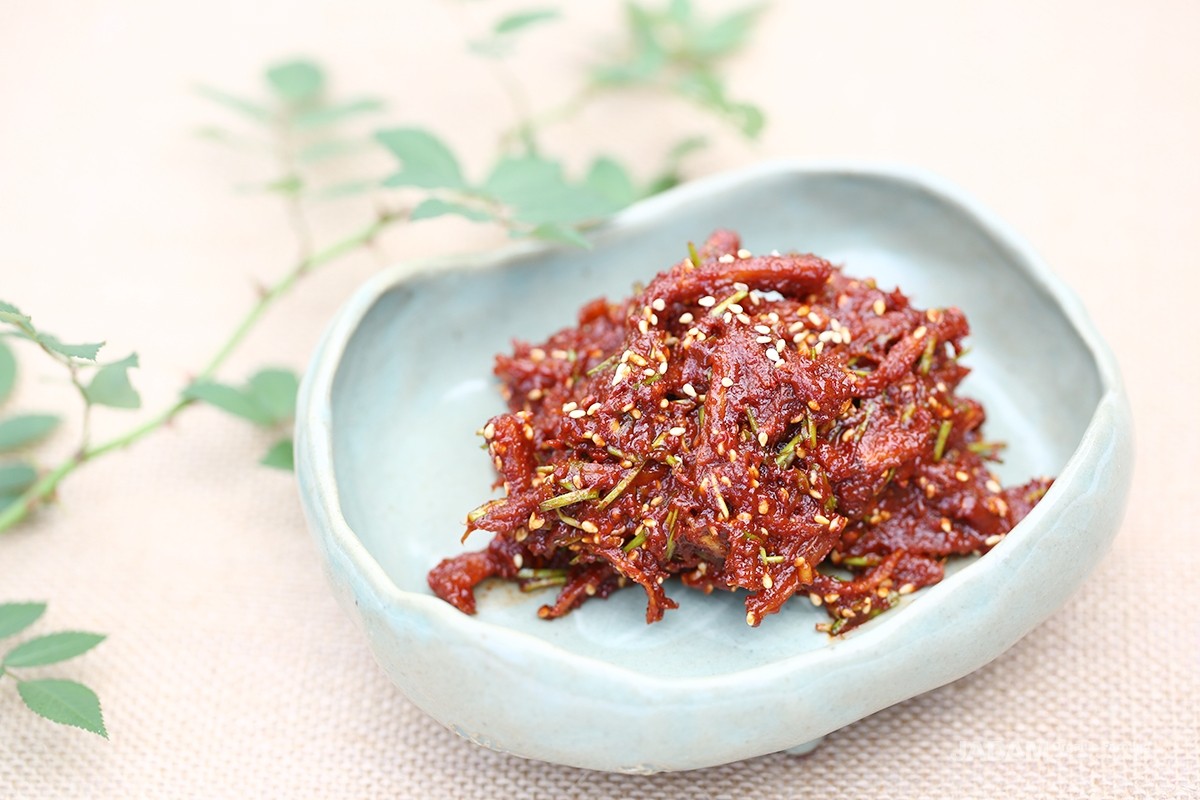
According to the Dictionary of Oriental Medicine, “The root is harvested in autumn or spring, washed, and sun-dried. It has a sweet and bitter taste and is slightly cold in nature. It acts on the lung and stomach meridians, nourishes yin, clears heat, moistens the lungs, and stops coughing. It also strengthens the stomach, replenishes fluids, draws out pus, and detoxifies. It is used for yin deficiency of the lungs with fever and cough, dry mouth and thirst, chronic cough, lung abscess, mastitis, oral ulcers, swellings, and leucorrhea. The daily dosage is 6-12 g, decocted in water. For external use, the fresh root is crushed and applied.”
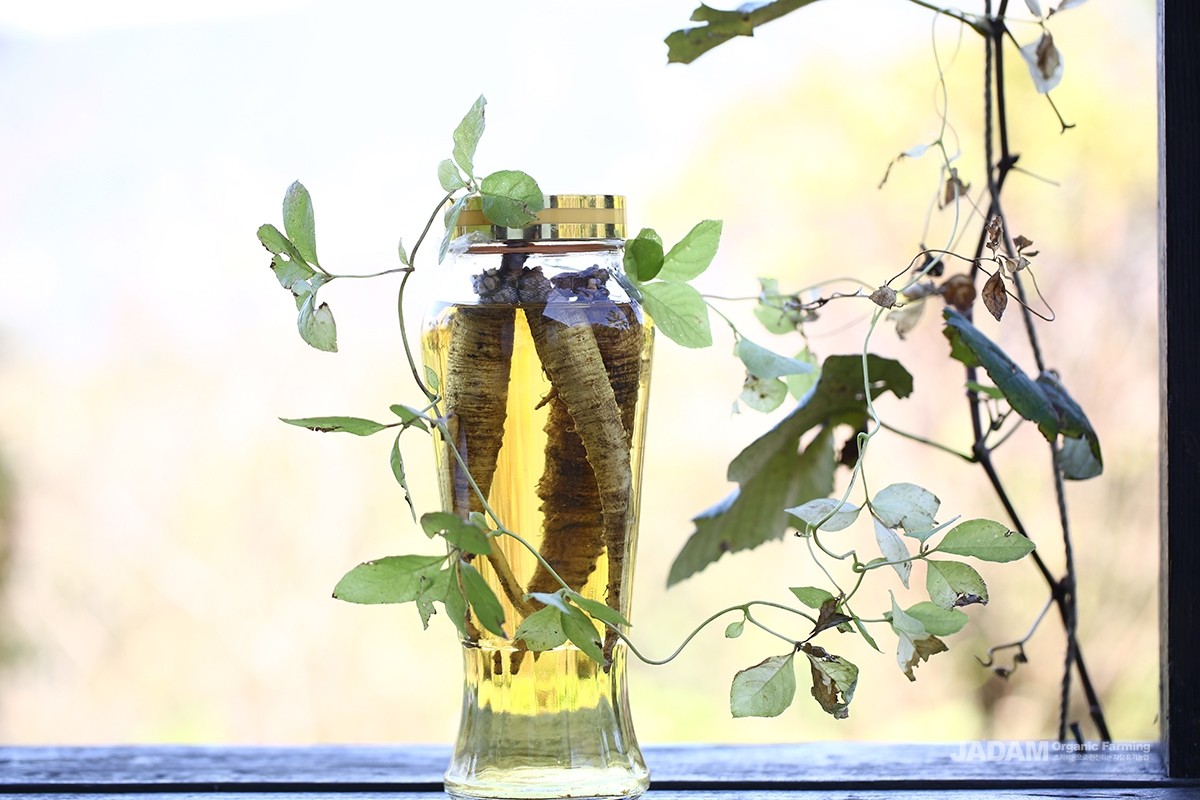
Propagation is by seeds. Mature seeds are sown in autumn or the following spring, with a high germination rate. When shoots sprout in spring, supports should be provided for the climbing stems.
[Ways to Enjoy Deodeok]
1. Eat young leaves or shoots raw in salads or use them as wraps.
2. Use the root in salads or seasoned cold dishes,
or coat it with sauce and grill.
3. Grate the root and drink it, or preserve it in gochujang
(Korean chili paste) to make pickles.
4. Infuse the root in alcohol, or dry and grind it into powder for use.